CJP's Mumbai Protest Draws Sparse Crowd, Highlighting Declining Mobilization Power
The CJP's recent protest in Mumbai attracted only 150 participants, a stark contrast to its previous mass mobilizations. This low turnout signals a significant decline in the organization's ability to galvanize public support for its causes.
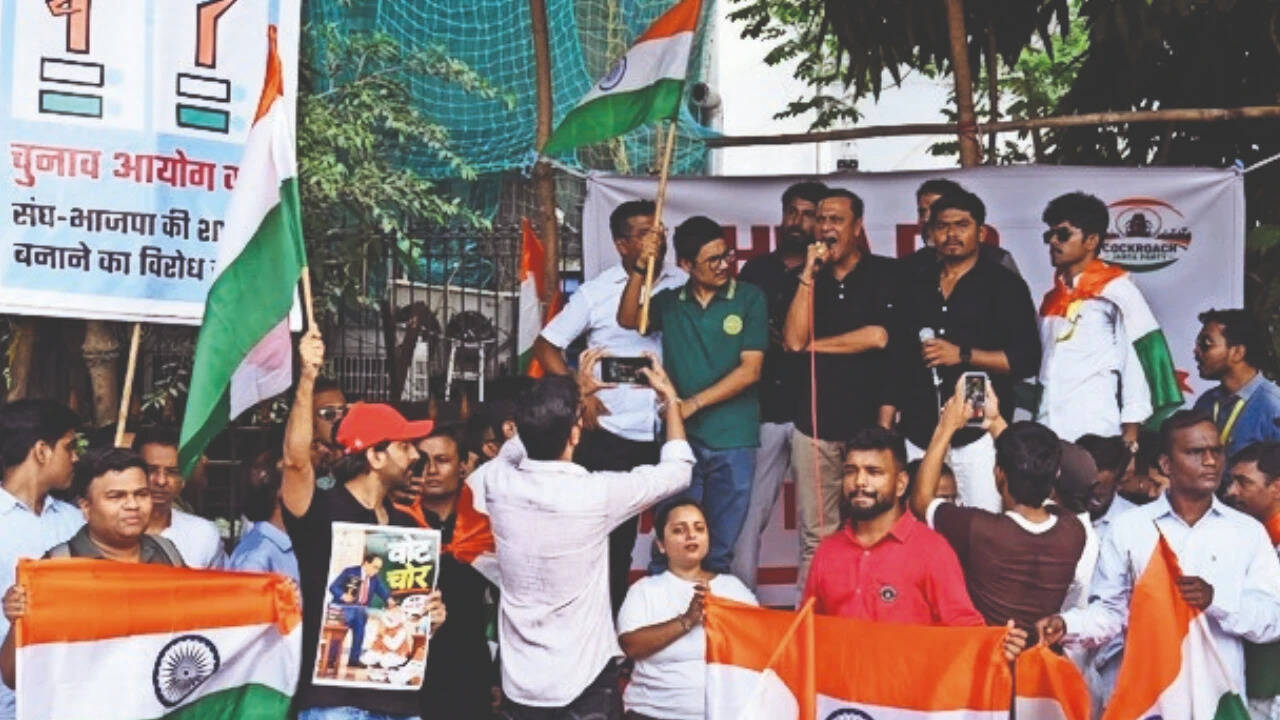
The sparse attendance at the CJP's Mumbai protest is a concrete indicator of the organization's waning influence in the political . With only 150 participants, the event failed to generate the momentum necessary to pressure the government or shift public opinion. This outcome is a direct result of the organization's inability to connect with the broader populace, particularly in a city as diverse and politically active as Mumbai. The lack of participation suggests that the CJP's messaging is no longer resonating with the key demographics that once formed its base.
The underlying tension is between the organization's traditional methods of mobilization and the changing political preferences of the Indian electorate. In an era of digital activism and fragmented media consumption, traditional street protests require a strong narrative and broad-based appeal to succeed. The CJP's failure to adapt to these changes has left it isolated from the mainstream political discourse. This isolation is further compounded by the organization's perceived alignment with specific political interests, which limits its appeal to a wider audience.
The downstream consequence of this decline is a weakening of the opposition's ability to challenge the ruling party's dominance. The CJP's reduced mobilization power means that it is less effective in organizing resistance to government policies, thereby allowing the ruling party to implement its agenda with fewer obstacles. This shift in the balance of power has tangible implications for the democratic process, as it reduces the diversity of voices in the public sphere and limits the options available to voters.
Comments 0