Clean Energy Dividend: India's $240 Billion Fuel Import Savings
The IEA projects that India's aggressive clean energy transition will reduce its fuel import bill by $240 billion by 2030, offering a massive boost to the national balance of payments. This shift signals a structural decoupling from volatile global oil markets, enhancing energy security and fiscal stability.
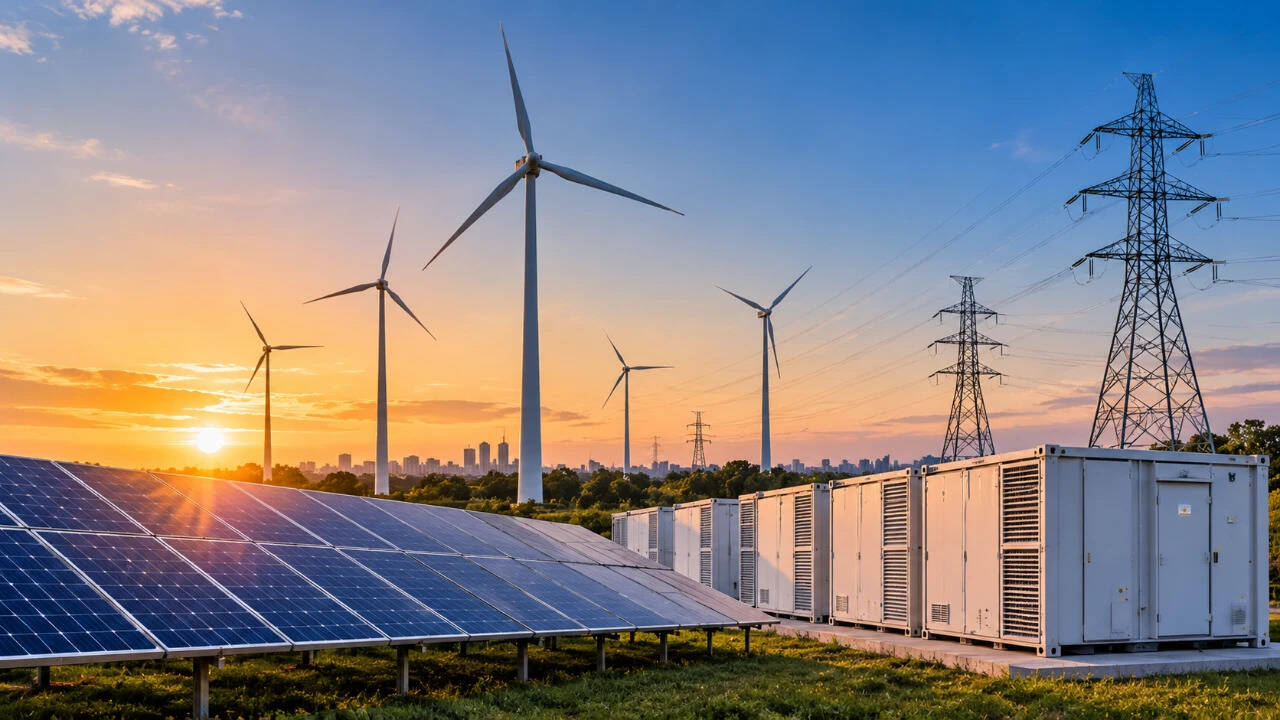
The International Energy Agency's projection of a $240 billion reduction in India's fuel import bill by 2030 represents a monumental shift in the country's economic architecture. This concrete rupture from traditional energy dependence is driven by the rapid scaling of renewable energy sources, which are increasingly displacing imported coal and natural gas. The immediate shockwave is felt in the trade deficit, where a significant portion of the outflow is now being retained within the domestic economy, strengthening the rupee and reducing vulnerability to global commodity price shocks.
The underlying tension lies in the pace of infrastructure development required to support this transition. The institutional friction between the need for rapid renewable capacity addition and the existing grid's limitations creates a bottleneck that could slow the realization of these savings. The challenge is not just in generating clean power but in integrating it into a reliable, 24/7 supply chain, which requires massive investment in storage and grid modernization. This transition is not without its costs, as the retirement of fossil fuel assets and the retraining of workers present significant social and economic hurdles.
The downstream casualties include the traditional energy sector, which faces a long-term decline in demand, and the regions dependent on coal mining and power generation. The tangible outcome is a more resilient economy, less exposed to external shocks, and with greater fiscal space for other developmental priorities. The 12-month consequence will likely see accelerated investment in renewable energy projects and a continued push for policy reforms to support the transition, with the government leveraging the projected savings to justify further green initiatives.
Comments 0