Commercial Stagnation Grips Delhi's Khan Market Amid Disruptive Street Protests
Intense street demonstrations surrounding the Khan Market precinct brought local commerce to a grinding halt, inflicting heavy financial losses on merchants. Business owners voiced deep frustration over how civil unrest directly strangles urban livelihoods and foot traffic.
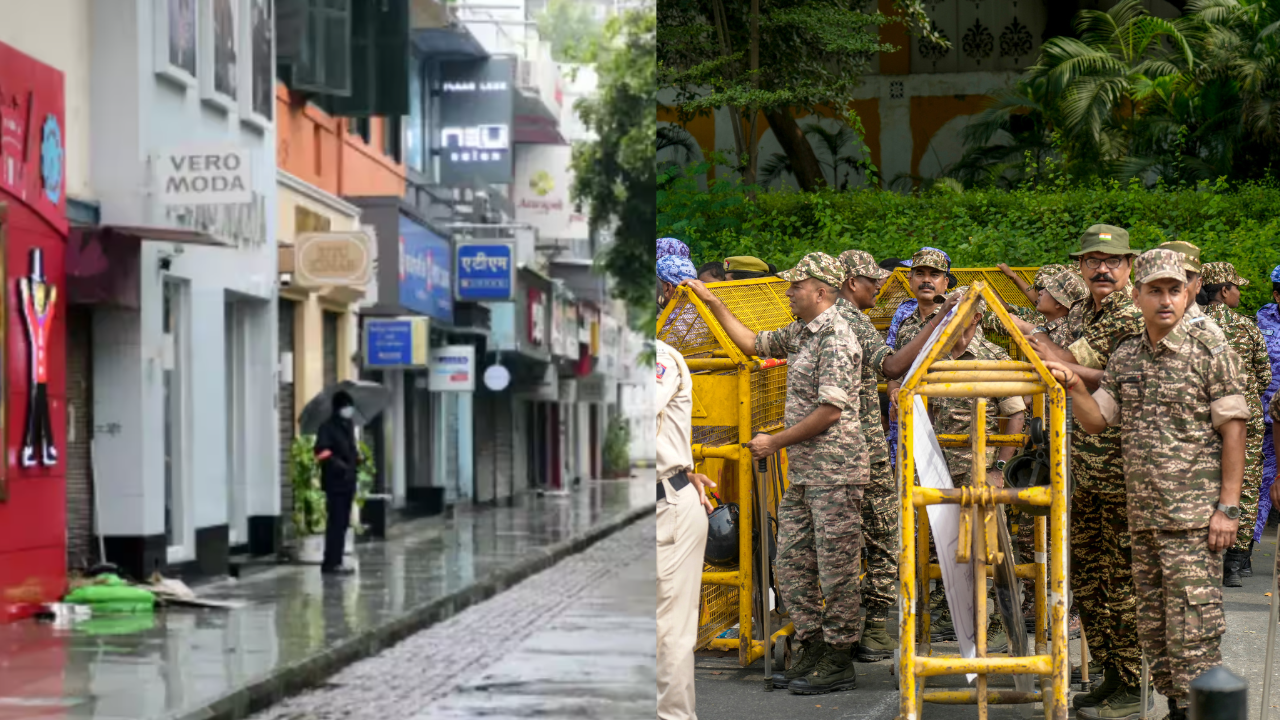
The upscale retail district, known globally for its high commercial valuations and elite clientele, transformed into a zone of heavy disruption as protesters blocked primary access routes. Shopkeepers and establishment owners reported an immediate evaporation of daily sales, with high-end boutiques and dining venues sitting virtually empty during peak business hours. The blockade paralyzed logistical supply chains, preventing inventory replenishment and stalling service delivery across the commercial zone.
At the root of the friction lies the recurring tension between public assembly rights and the economic survival of urban commercial hubs that depend on uninterrupted consumer access. Merchant associations pointed out that the administration failed to maintain adequate perimeter security or establish designated protest zones away from high-density retail arteries. This regulatory lapse exposed the fragility of municipal planning in protecting commercial zones from external shocks and sporadic civil disturbances.
The resulting financial deficit forced many small and medium business operators to absorb heavy overhead costs without corresponding revenues, straining cash flows across the district. Future commercial leases in prime Delhi locations will likely factor in geopolitical and protest risks, potentially altering rental yields and insurance premiums. Municipal authorities now face mounting pressure from trade bodies to enforce strict traffic corridors that insulate commercial centers from political demonstrations.
Comments 0