Community Reorientation and Eco-Friendly Traditions in Maharashtra's Ganesh Utsav
Prominent Ganesh mandals in Pune have replaced traditional floral offerings with educational supplies like notebooks and pens for community distribution. This cultural pivot marks a conscious shift toward sustainable philanthropy and literacy promotion during major public festivities.
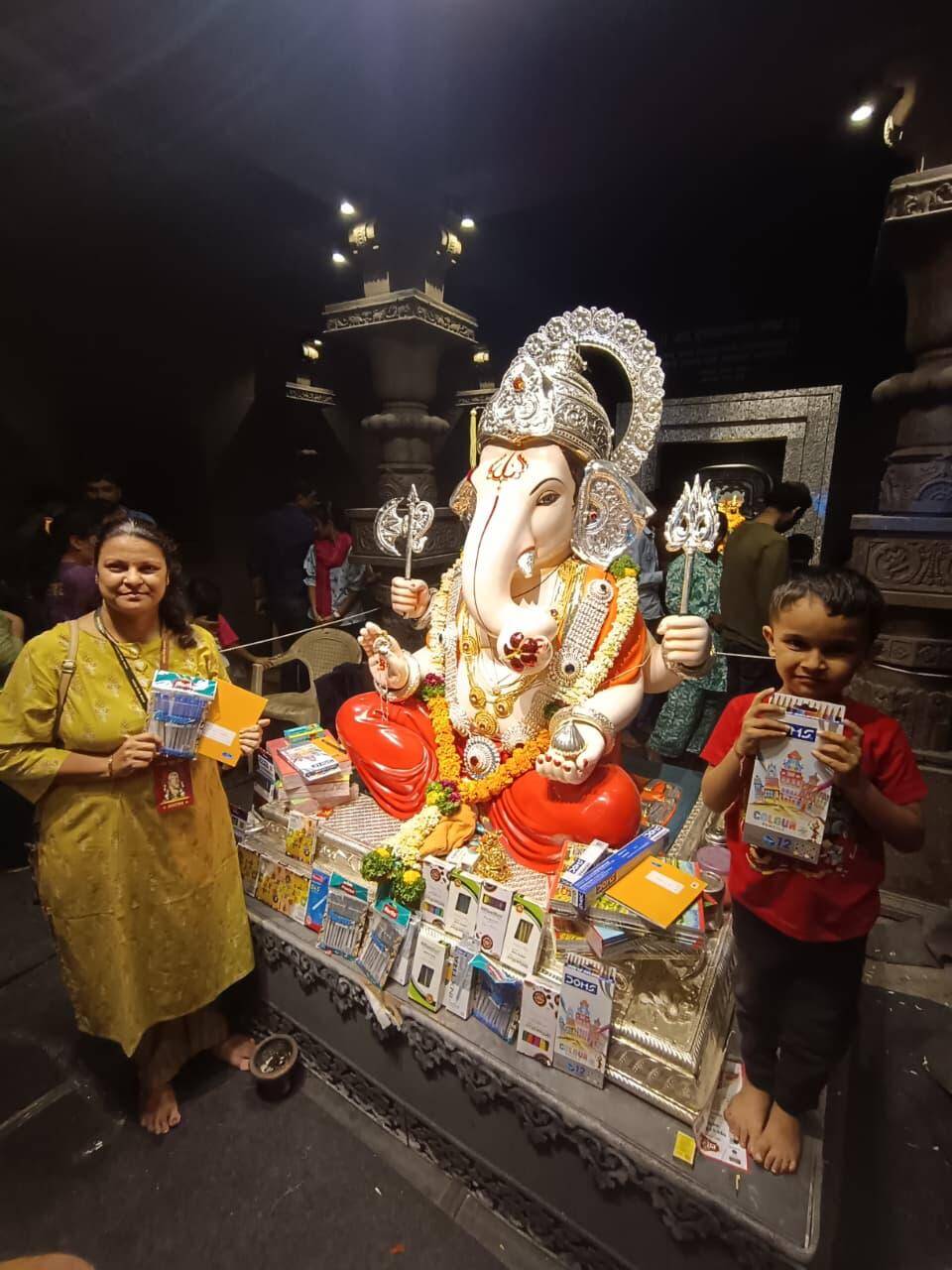
The traditional pageantry of Pune's historic Ganesh festivals is undergoing a profound cultural re-engineering as festival organizers reject transient commercial decorations in favor of utilitarian philanthropy. Devotees arriving at major pandals are urged to bring notebooks, pens, and educational aids instead of perishable flowers and plastic ornaments. This grassroots evolution transforms ancient religious rituals into organized drives supporting underprivileged student populations across western Maharashtra. The friction driving this change involves mounting environmental concerns over water pollution caused by synthetic idol immersion and the astronomical waste generated by massive floral displays. Civic activists have relentlessly pressured temple trusts to modernize their environmental footprint without alienating traditional worshipers. Mandal committees, recognizing the need for social relevance, have embraced philanthropy as a primary method to maintain public goodwill. The concrete outcome is a massive diversion of resources toward educational charities, supplying thousands of impoverished children with academic materials at the start of the school year. Pune sets a compelling cultural template for sustainable religious celebrations across urban India. Commercial flower vendors absorb immediate revenue losses, but the broader community benefits from an enduring institutional tradition centered on human capital development.
Comments 0