Congo Ebola Outbreak Surpasses 12,000 Cases as Responders Withdraw
The Ebola epidemic in eastern Congo has climbed beyond 12,000 confirmed infections, prompting several humanitarian agencies to pull staff from high‑risk zones. Ongoing conflict between rebel groups and the national army hampers containment efforts.
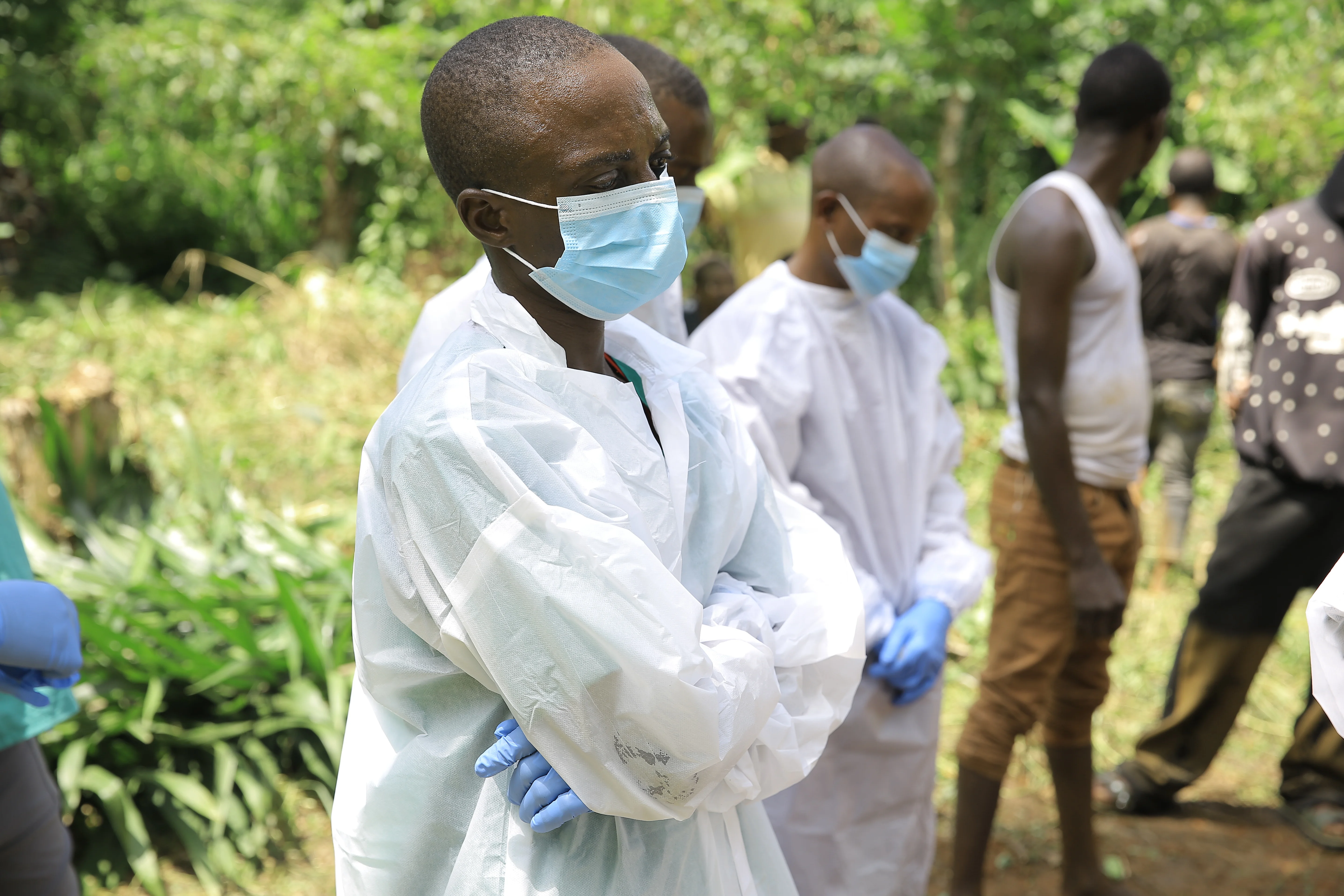
Health officials with the World Health Organization confirmed that the cumulative case count in the North Kivu and Ituri provinces now exceeds twelve thousand, marking the deadliest phase of the outbreak since its resurgence in 2018. The virus continues to spread in densely populated settlements where burial practices and limited access to medical care amplify transmission. Despite the deployment of experimental vaccines and therapeutic regimens, logistical bottlenecks and community mistrust have stalled vaccination campaigns, leaving large swathes of the population vulnerable.
Compounding the health crisis, armed confrontations between the Congolese army and various militia factions have intensified along key transport corridors, disrupting supply lines for medical equipment and personal protective gear. Several international NGOs announced the evacuation of expatriate staff, citing unacceptable security risks. The withdrawal reduces on‑the‑ground capacity for contact tracing, case investigation, and public‑health education, thereby weakening the overall response architecture.
The ramifications extend beyond immediate morbidity and mortality. Prolonged disruption of agricultural activities threatens food security for millions, while the erosion of trust in state institutions may fuel further instability. Regional neighbours are monitoring cross‑border spillover risks, and the United Nations is contemplating a scaled‑up peacekeeping mandate to safeguard health workers. If the outbreak remains unchecked, the economic toll on the already fragile Congolese economy could deepen, prompting a reassessment of international aid priorities.
Comments 0