Congress Left Seeking Allies as Trinamool Distance Themselves from Bypoll Strategy
Efforts by regional leadership in West Bengal to forge an electoral alliance for upcoming bypolls have met with silence from national coalition headquarters. The diplomatic snub highlights deepening friction within opposition ranks ahead of legislative showdowns.
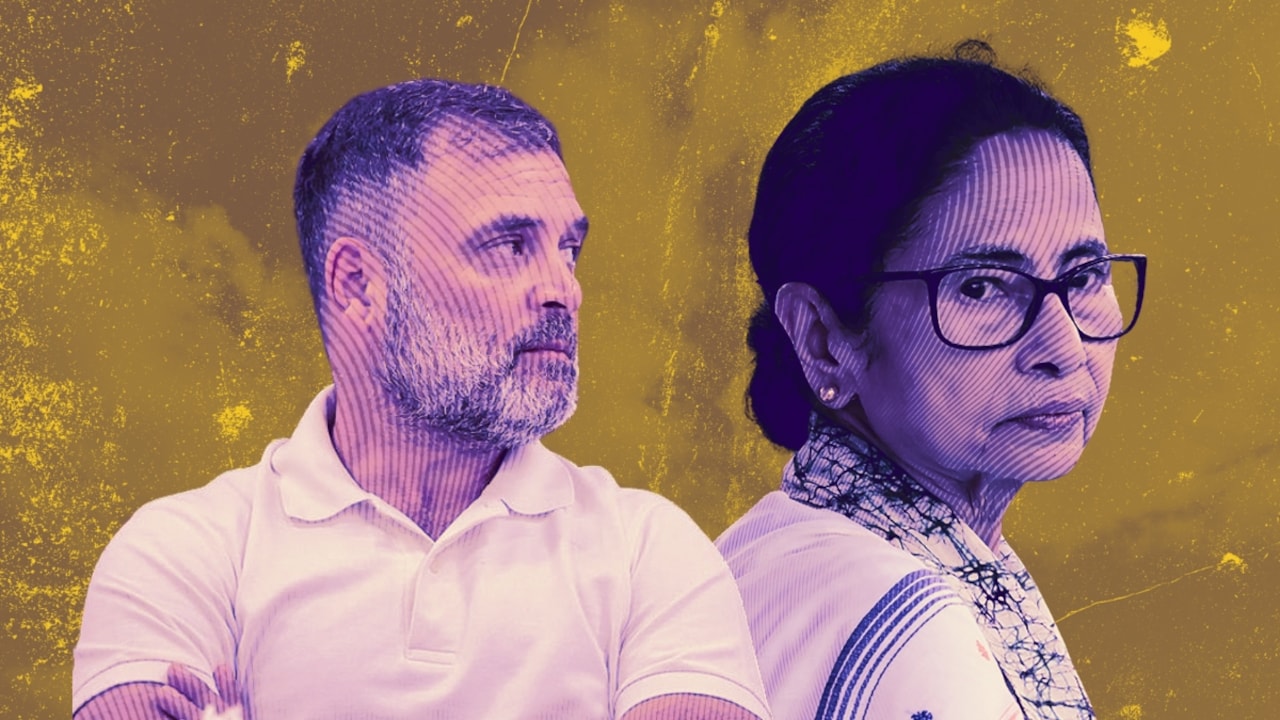
The intricate architecture of political coalition building faced a sharp fracture as regional leadership in West Bengal sought to establish a united front for upcoming legislative bypolls, only to be met with complete indifference from national party executives. Communication attempts directed toward key general secretaries went unanswered, signaling a calculated strategic distancing by national strategists who view regional political liabilities as a net negative for their broader electoral calculus. This silent rejection exposes the fragile and transactional nature of opposition unity in the face of dominant ruling parties. The underlying tension stems from competing territorial ambitions and conflicting local ground realities that frequently render national alliance frameworks untenable. While regional satraps demand localized dominance and absolute deference within their historical strongholds, national parties must balance state-level friction against their overarching pan-national narrative. Attempting to placate local leaders often alienates demographic segments elsewhere, forcing national headquarters to quietly abandon regional partners when electoral cost-benefit analyses turn unfavorable. The immediate casualty of this breakdown is the illusion of a cohesive opposition front in West Bengal, paving the way for multi-cornered electoral contests that invariably benefit the incumbent ruling establishment. Regional forces now face the difficult prospect of contesting elections entirely isolated, while national planners must absorb the collateral damage of alienating vital state-level allies. Downstream, this mutual distrust guarantees prolonged fragmentation within the political opposition, altering the balance of power for upcoming legislative battles.
Comments 0