Congress Opposes Linking Women’s Reservation to Census and Delimitation
The Indian National Congress urged the government not to tie the expansion of women’s legislative seats to the upcoming census and delimitation exercise, warning of potential political manipulation. The stance has intensified debate over gender equity in parliamentary representation.
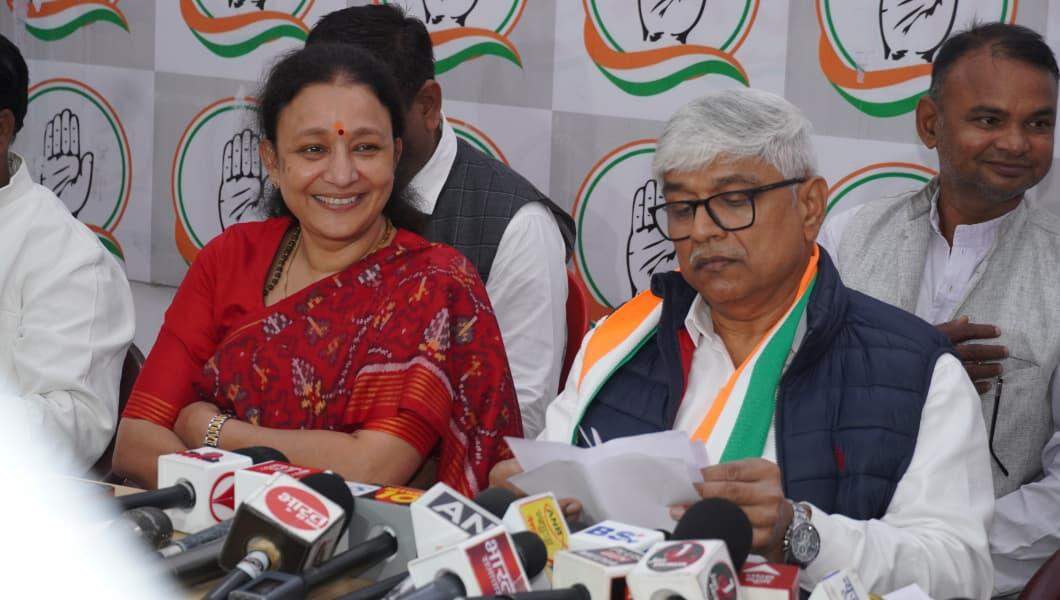
During a press briefing in Lucknow, senior Congress leaders articulated their objection to a proposal that would condition the increase of women’s reserved seats in legislative bodies on the results of the forthcoming census and the subsequent delimitation of constituencies. The party argued that such a linkage could be exploited to delay or dilute the intended empowerment of women, as the census process is often mired in political contention and administrative bottlenecks. They emphasized that gender‑based representation should be pursued as a standalone objective, independent of demographic recalibrations that may be subject to partisan influence.
The controversy emerges at a time when the central government is preparing for the nation’s first post‑2021 census, a data collection exercise that will reshape electoral maps and potentially alter the balance of power among states. Critics of the Congress position contend that aligning women’s reservation with delimitation could ensure that the new seats are allocated proportionately across regions, thereby preventing over‑concentration in particular states. Nevertheless, the opposition maintains that the core issue is the timing and methodology of reservation, not the technicalities of constituency boundaries. Civil‑society groups have joined the debate, with several women’s organisations calling for an immediate, unconditional increase in reserved seats to address persistent gender gaps in political participation.
The outcome of this policy dispute could have lasting ramifications for the composition of India’s legislative bodies. Should the government proceed with the linkage, it may set a precedent for tying other affirmative‑action measures to demographic exercises, potentially complicating future reforms. Conversely, a decisive break from the proposal could accelerate the implementation of gender‑balanced representation, influencing party candidate selection strategies and altering the dynamics of electoral competition. The next few weeks are likely to see intensified lobbying from both sides, with the possibility of parliamentary debate shaping the final legislative framework.
Comments 0