Congressional Tariff Bill Targets Indian and Chinese Purchases of Russian Energy
The United States Congress has advanced punitive trade legislation threatening tariffs as high as one hundred percent on foreign states purchasing Russian petroleum. This economic ultimatum forces Asian energy importers to weigh severe trade friction against cheap crude supplies.
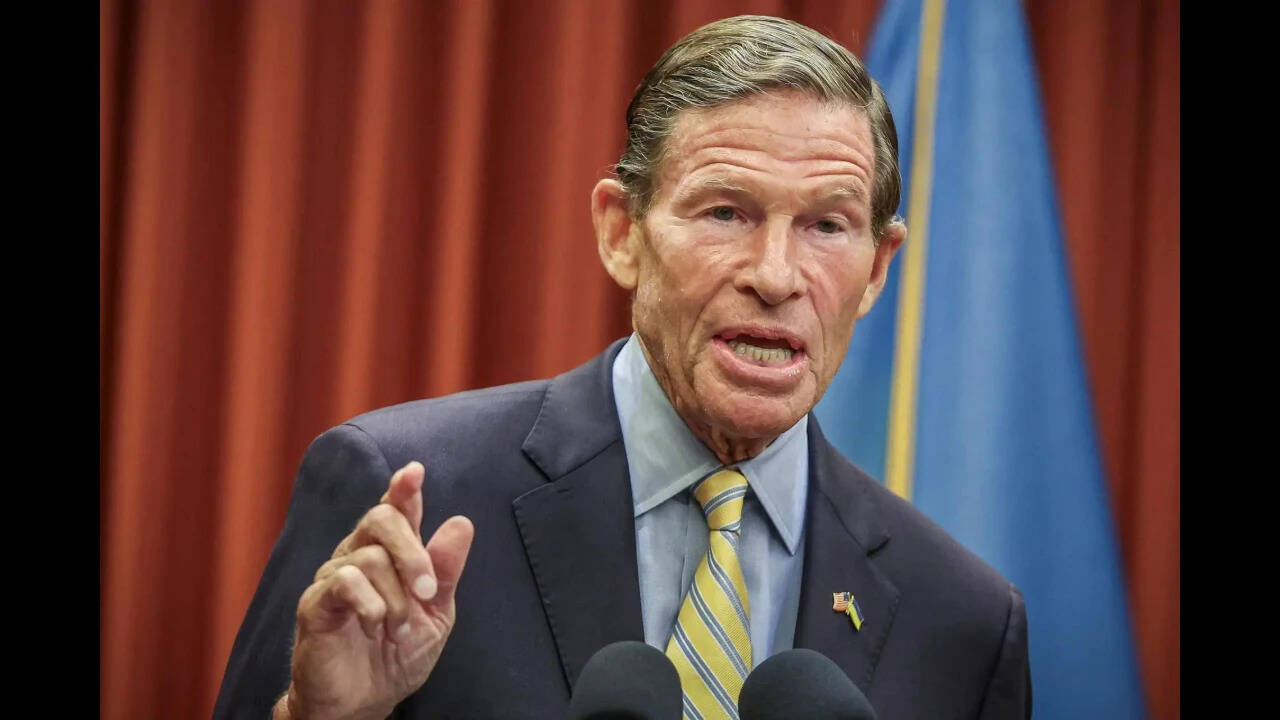
The United States Senate has intensified pressure on major Asian economies by drafting legislation designed to impose tariffs reaching one hundred percent on nations continuing to import Russian crude oil. The measure directly targets the financial lifelines preserving Moscow's war economy, attempting to close revenue streams that have survived previous Western sanctions regimes. By targeting second-tier buyers who have reaped substantial refining margins from discounted oil, Washington seeks to enforce a global embargo through secondary economic coercion. At the center of this legislative assault lies an uncomfortable friction between American strategic priorities and the sovereign domestic imperatives of non-aligned capitals. Indian and Chinese refineries have restructured global crude flows over the past three years, purchasing millions of barrels daily to stabilize internal fuel prices and secure petrochemical output. Accepting Washington's mandate would force these importers into higher-cost Middle Eastern and West African markets, driving up domestic inflationary pressures and challenging the legal autonomy of sovereign trade policy. Should the bill clear final executive approval, the resulting trade shock will reverberate across international shipping lanes and secondary manufacturing sectors. Export-oriented industries within target nations face punitive duties that could render their products non-competitive in American ports, while energy markets confront renewed volatility as supply networks undergo forced realignments. The structural casualty is the stability of multilateral trade rules, increasingly subordinated to unilateral sanctions architecture.
Comments 0