Continental Sports Hegemony: The Asian Games Launch a Massive Era of Athletic Competition in Japan
The Asian Games officially commenced in Aichi-Nagoya, welcoming over eleven thousand athletes across forty-three sports in a multi-sport spectacle surpassing the scale of the Paris Olympics. This monumental athletic gathering cements the region's rising dominance in global sports administration and infrastructure investment.
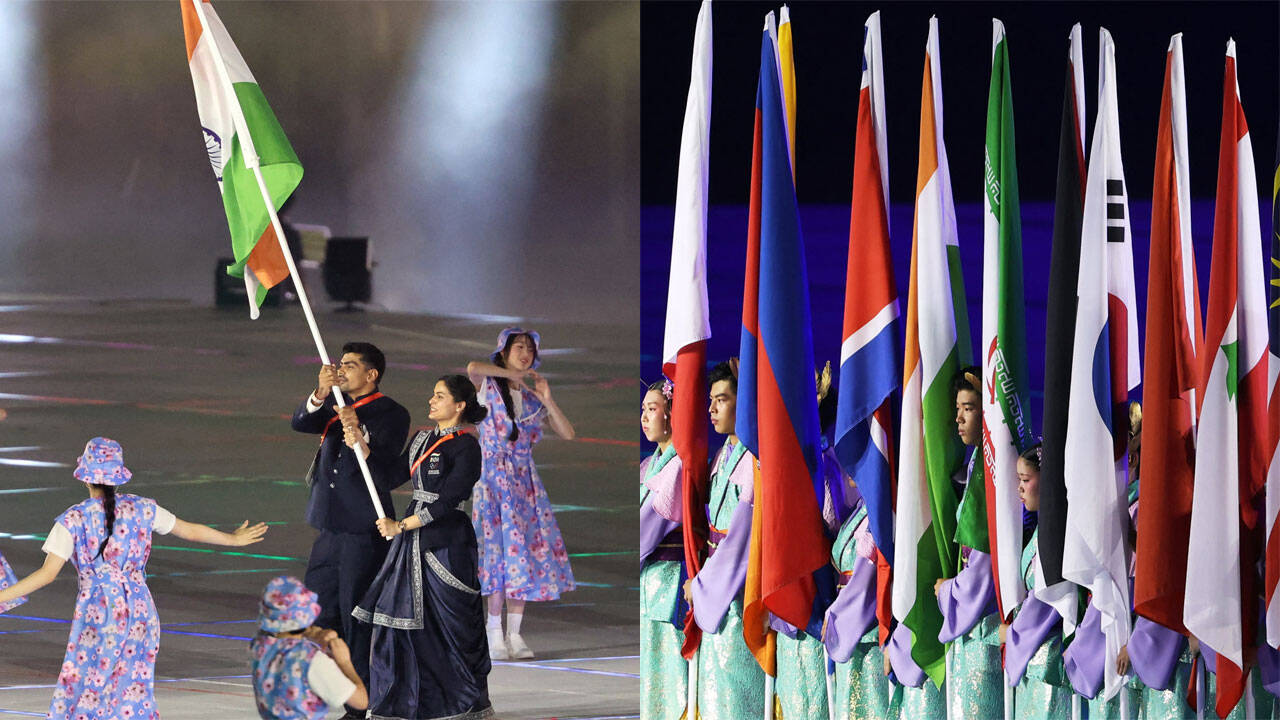
Gathering athletes from every corner of the continent, the host cities deployed state-of-the-art urban infrastructure and specialized venues to accommodate traditional regional disciplines alongside standard Olympic events. The sheer logistical magnitude of the competition required years of meticulous coordination among national Olympic committees, municipal authorities, and corporate sponsors. The opening ceremonies showcased both technological prowess and deep cultural heritage to a global audience. The institutional friction behind such mega-sporting events often centers on municipal budget allocations, displacement of local residents, and the long-term financial viability of specialized sports facilities. Critics frequently question the astronomical capital expenditures required to host events of this scale in an era of constrained public resources. Organizers must continuously justify the economic return on investment through tourism revenue and urban renewal projects. The downstream consequence of the games is a significant elevation of athletic training standards across participating nations, driven by corporate sponsorships and government sports grants. India and other regional powers view medal tallies as matters of national prestige, prompting increased investments in sports science and coaching infrastructure. The successful execution of the games redefines international sporting gravity away from traditional Western capitals toward Asian metropolises.
Comments 0