Cooling Overtakes Heating: A Historic Shift in Global Energy Demand
The International Energy Agency has confirmed that global demand for cooling has surpassed heating for the first time, a milestone driven by climate change and the proliferation of air conditioning in the Global South. This shift has profound implications for energy security, grid stability, and the trajectory of carbon emissions.
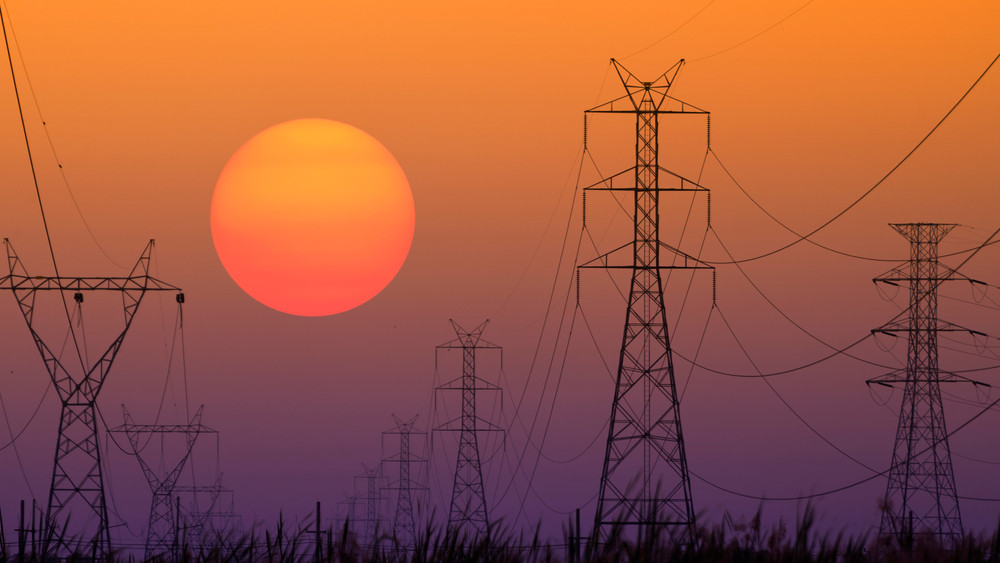
The reversal of the historical dominance of heating in global energy consumption is a concrete indicator of the physical impact of climate change. As temperatures rise, the need for cooling becomes a primary driver of energy demand, particularly in regions that were previously temperate. This shift is not merely a statistical curiosity but a fundamental change in the structure of the global energy system. The increased demand for electricity to power air conditioning units places immense strain on power grids, leading to higher peak loads and a greater risk of blackouts. The transition from heating to cooling also changes the mix of fuels used, with a greater reliance on natural gas and electricity, and a reduced role for coal in some regions.
The underlying tension in this shift is the conflict between the need for comfort and the imperative to reduce carbon emissions. Air conditioning is a major contributor to global greenhouse gas emissions, both through the electricity used to power it and the refrigerants it contains. The challenge for policymakers is to meet the growing demand for cooling while transitioning to cleaner energy sources and more efficient technologies. This requires significant investment in grid infrastructure, the development of renewable energy sources, and the adoption of energy-efficient appliances. The failure to address this challenge could lead to a vicious cycle of increased emissions and further warming.
The downstream consequences of this shift are already visible in the form of higher energy prices and increased energy poverty. In many developing countries, the cost of cooling is a significant burden on household budgets, leading to reduced spending on other essential goods and services. The energy sector must also adapt to the new demand patterns, with utilities investing in demand-side management and smart grid technologies. The long-term outcome will depend on the speed of the energy transition and the ability of governments to implement effective policies to manage the growing demand for cooling.
Comments 0