COP31 host demands visible climate progress as El Niño intensifies
As high-stakes climate talks involving 190 countries commence, the host nation has called for tangible, visible progress to counter the growing skepticism among the global public. The summit is being overshadowed by the immediate impacts of a fossil-fuel supercharged El Niño, which has turned abstract climate models into a present-day crisis for millions.
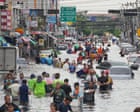
The concrete rupture in the global climate dialogue is the shift from abstract negotiations to immediate, visible action. The host of COP31 has explicitly stated that the summit must deliver progress that people can see is real, a demand that reflects the growing disconnect between diplomatic language and the lived reality of climate change. The talks, involving 190 countries, are taking place against the backdrop of an El Niño event that has been intensified by fossil fuel emissions, leading to extreme weather patterns that are no longer theoretical but are actively causing displacement, crop failure, and loss of life. This urgency has stripped away the diplomatic niceties that have characterized previous summits, forcing negotiators to confront the immediate human cost of inaction.
The underlying tension in the climate negotiations is the chasm between the commitments made by developed nations and the actions taken by emerging economies. The host nation's call for visible progress is a direct challenge to the major emitters, who have yet to demonstrate a credible pathway to decarbonization. The institutional friction is compounded by the lack of a unified global framework for measuring and verifying climate action, leading to a situation where each country can claim success while the overall trajectory remains unchanged. The El Niño event has exposed the inadequacy of current adaptation strategies, as many developing nations lack the resources to cope with the increased frequency and severity of extreme weather events.
The downstream casualties of the failure to achieve visible progress at COP31 will be borne by the most vulnerable populations, who are already on the front lines of the climate crisis. The tangible outcome of the summit will be measured not by the number of agreements signed, but by the extent to which they translate into concrete actions that mitigate the immediate impacts of climate change. For the global public, the summit represents a critical test of the international community's willingness to prioritize human welfare over economic interests, a test that will shape the trajectory of climate policy for decades to come.
Comments 0