Corporate Governance Crisis as Tata Trusts Challenges Leadership Succession
Tata Trusts has formally declared the reappointment of N Chandrasekaran as chairman of Tata Sons to be legally invalid. This internal power struggle threatens executive stability at India's largest conglomerate.
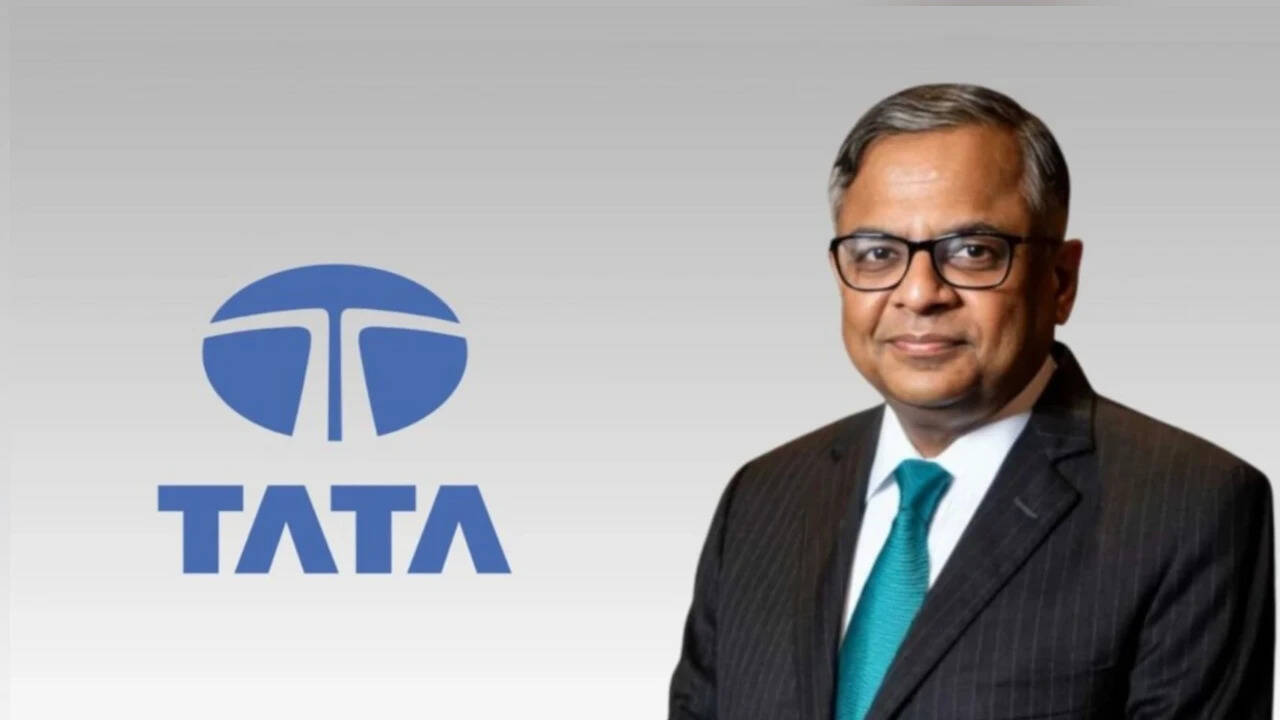
A profound boardroom confrontation has erupted within the upper echelons of Indian commerce, as representatives from the Tata Trusts challenged the procedural legitimacy of retaining N Chandrasekaran at the helm of Tata Sons. The contention stems from sharp opposition voiced by Noel Tata, creating a jurisdictional fracture between the philanthropic trusts holding the majority voting equity and the operational holding company. Observers note that the dispute was further inflamed by the Reserve Bank of India rejecting previous attempts by the corporate body to restructure its registration status. At the core of this institutional friction lies the delicate equilibrium between philanthropic oversight and commercial execution. The Trusts operate under strict trust deeds designed to protect public welfare and national interest, whereas Tata Sons must navigate aggressive global markets requiring rapid, unhindered executive authority. When key stakeholders split on foundational appointments, internal paralysis threatens subsidiaries spanning steel, automotive, aviation, and digital services, introducing systemic uncertainty into the nation's corporate flagship. The immediate casualty of this public feud is the aura of seamless dynastic and professional continuity that has long characterized the Tata enterprise. Institutional investors now face a period of heightened governance risk, forcing a reassessment of minority shareholder protections and board dynamics. Unless a formal compromise is brokered between the conflicting factions, the dispute risks dragging corporate governance into protracted legal battles that could compromise future capital allocation and strategic decision-making.
Comments 0