Courts' Hands Aren't Tied To Interfere When Free & Fair Elections Are Polluted By Unconstitutional Or Illegal Means: Supreme Court
The Supreme Court of India has affirmed its authority to intervene in election processes when unconstitutional or illegal methods are used. The ruling emphasizes that maintaining public confidence in elections is essential for the health of the constitutional democracy.
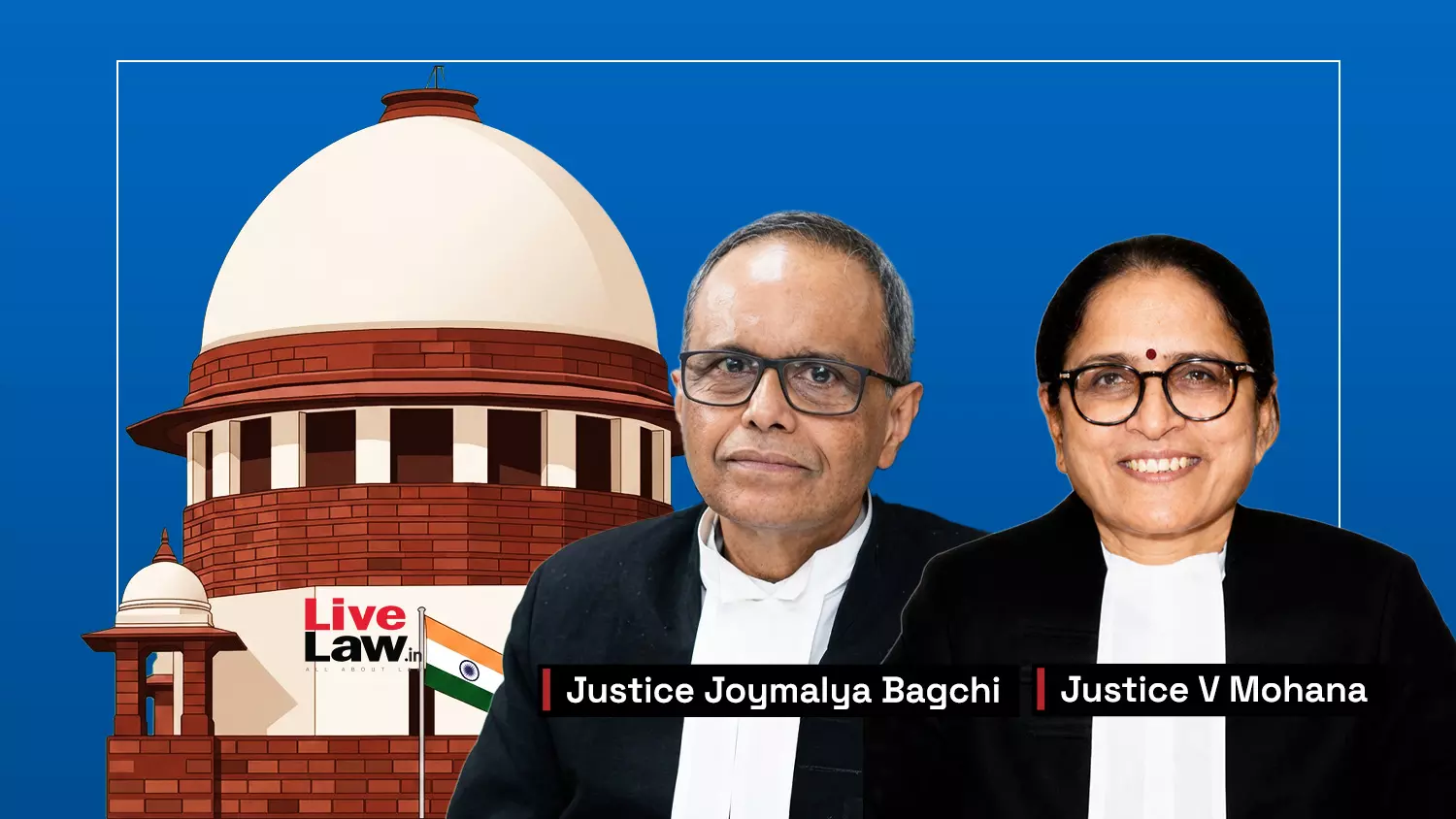
The Supreme Court of India has issued a significant ruling clarifying the scope of judicial intervention in electoral matters. The Court stated that its hands are not tied when it comes to interfering in the election process if free and fair elections are compromised by unconstitutional or illegal means. This decision reinforces the judiciary's role as a guardian of the democratic process, ensuring that the integrity of elections is protected against malpractice. The ruling was delivered in a context where concerns about the fairness of electoral procedures have been raised, prompting a clear statement on the limits of judicial restraint.
The Court emphasized that instilling confidence in the election process is vital for the maintenance of constitutional democracy. Without public trust in the fairness of elections, the legitimacy of the government and the stability of the democratic system are at risk. The judgment serves as a reminder that the judiciary has both the power and the duty to step in when the rule of law is threatened by electoral irregularities. This stance aligns with the broader principle that the courts must act to preserve the foundational values of the constitution, even if it means overriding other branches of government in specific instances.
For readers in India, this ruling is a development in the ongoing debate about the balance of power between the judiciary and the executive in electoral matters. It provides a legal framework for challenging election-related issues that may undermine the democratic process. The decision is likely to have far-reaching implications for future election disputes, setting a precedent for how courts will handle allegations of electoral malpractice. It also highlights the importance of transparency and accountability in elections, which are essential for a healthy democracy. The ruling underscores the judiciary's commitment to upholding the rule of law and protecting the rights of citizens to participate in free and fair elections.
Comments 0