Crowd Monitoring Technology: Can India Prevent the Next Stampede?
As India grapples with the aftermath of recent crowd disasters, experts are calling for the adoption of advanced crowd-monitoring tools to prevent future tragedies. The push for technology-driven solutions highlights the need for a more proactive approach to public safety in densely populated urban areas.
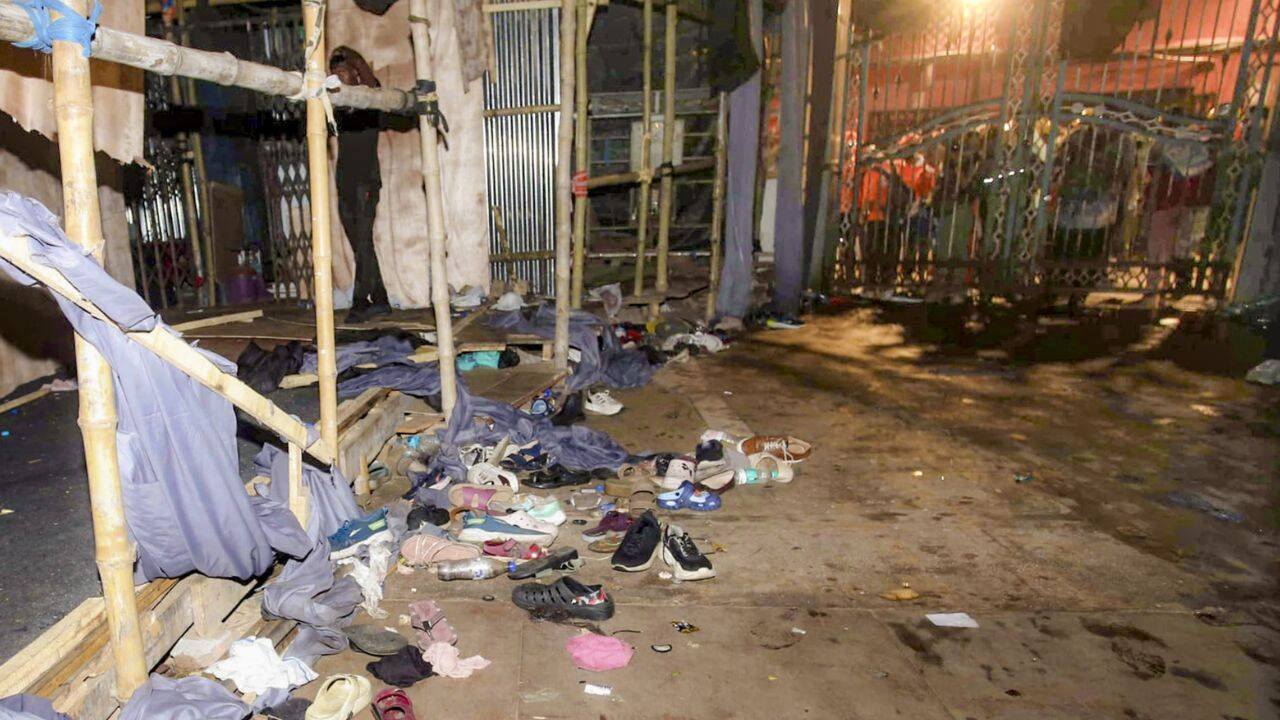
The concrete rupture is the growing recognition that traditional crowd management methods are insufficient to prevent stampedes in India's large public gatherings. The call for advanced monitoring tools, such as AI-driven video analytics and real-time data processing, represents a shift towards a more technologically sophisticated approach to public safety. This move is driven by the need to protect lives and reduce the risk of mass casualties in events such as religious festivals, concerts, and political rallies.
The underlying tension is the gap between the scale of India's public gatherings and the capacity of existing safety infrastructure. The institutional friction is evident in the lack of standardized protocols for crowd management and the limited use of technology in real-time decision-making. The adoption of new tools requires significant investment in hardware, software, and training, as well as a change in the mindset of law enforcement and event organizers. The challenge is to integrate these technologies into the existing framework without creating new vulnerabilities or privacy concerns.
The downstream consequences of implementing crowd-monitoring technology are a reduction in the risk of stampedes and a more efficient response to emergencies. For the public, it means a safer experience at large events and a greater sense of security. For the government, it may lead to improved public trust and a more effective use of resources. The tangible outcome is a more resilient public safety system that can adapt to the changing nature of crowd dynamics in a digital age.
Comments 0