Crude Oil Retreat Bolsters Rupee and Gold Markets
A significant decline in global crude oil prices has provided immediate relief to the Indian rupee, which has strengthened against the US dollar. Simultaneously, gold prices have surged by three percent, reflecting a dual market response to reduced import costs and shifting safe-haven dynamics.
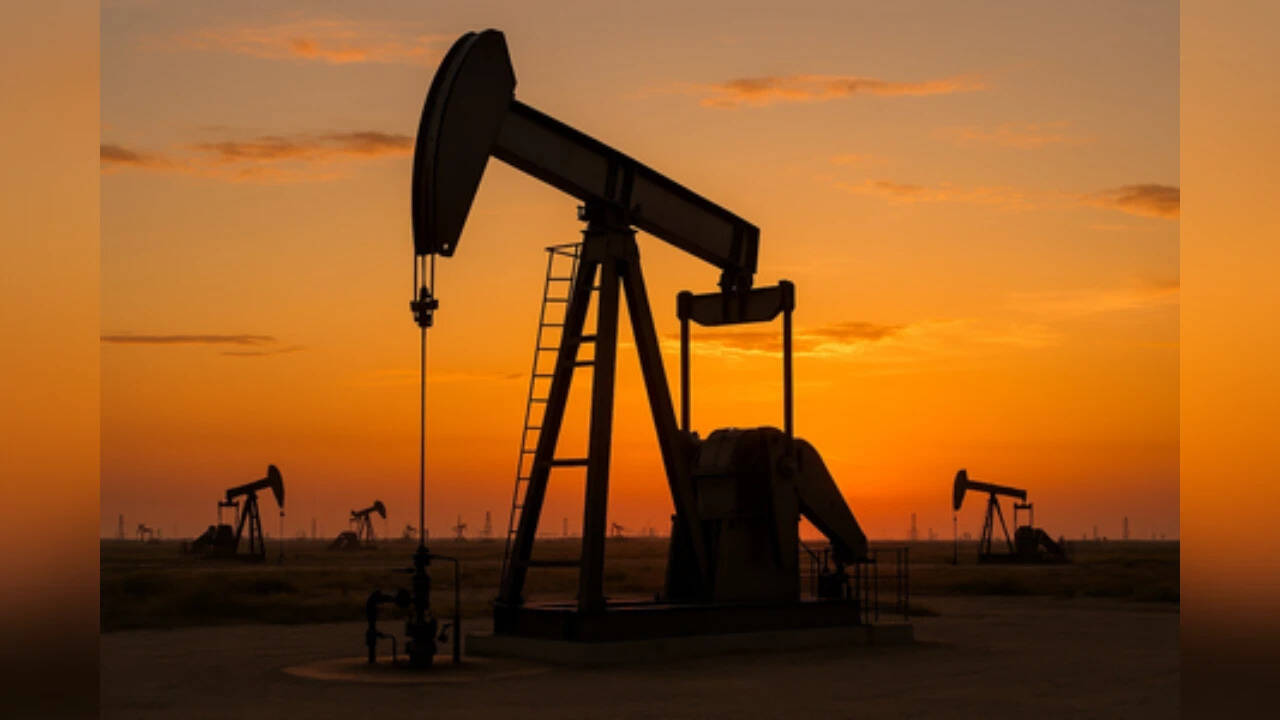
The recent slide in crude oil prices has triggered a tangible improvement in India's external economic indicators. As the world's largest importer of crude, India's trade deficit is directly sensitive to oil prices; a drop in the benchmark rate reduces the dollar outflow required to secure energy supplies. This immediate reduction in import expenditure has provided a cushion for the rupee, allowing it to appreciate against the dollar. The market reaction is a direct reflection of the improved terms of trade that a cheaper barrel offers to a net energy importer.
The underlying tension in this scenario involves the interplay between global macroeconomic signals and domestic monetary policy. The decline in oil prices is often interpreted as a sign of weakening global demand, which could pose risks to export-oriented sectors. However, for the Indian economy, the benefit of lower input costs for transport and manufacturing outweighs these concerns in the short term. The Reserve Bank of India may view this as an opportunity to maintain interest rate stability, as the inflationary pressure from fuel costs diminishes, allowing for a more focused approach to managing domestic demand.
The downstream impact is visible in the commodity markets, where gold has seen a three percent increase. This rise is driven by a combination of factors, including a weaker dollar environment and the reallocation of capital from equities to precious metals as investors seek stability. For consumers, the immediate outcome is a reduction in the cost of fuel and a potential easing of pressure on the cost of living. The tangible result is a more favorable economic environment for the Indian consumer, with lower energy bills and a stronger currency supporting purchasing power.
Comments 0