Customs Holds Scotch Imports as India‑UK Trade Pact Faces First Test
Indian customs officials have detained bulk Scotch whisky shipments, citing a tariff disagreement that threatens the nascent trade agreement with the United Kingdom. The standoff could reverberate through bilateral commerce and domestic fiscal policy.
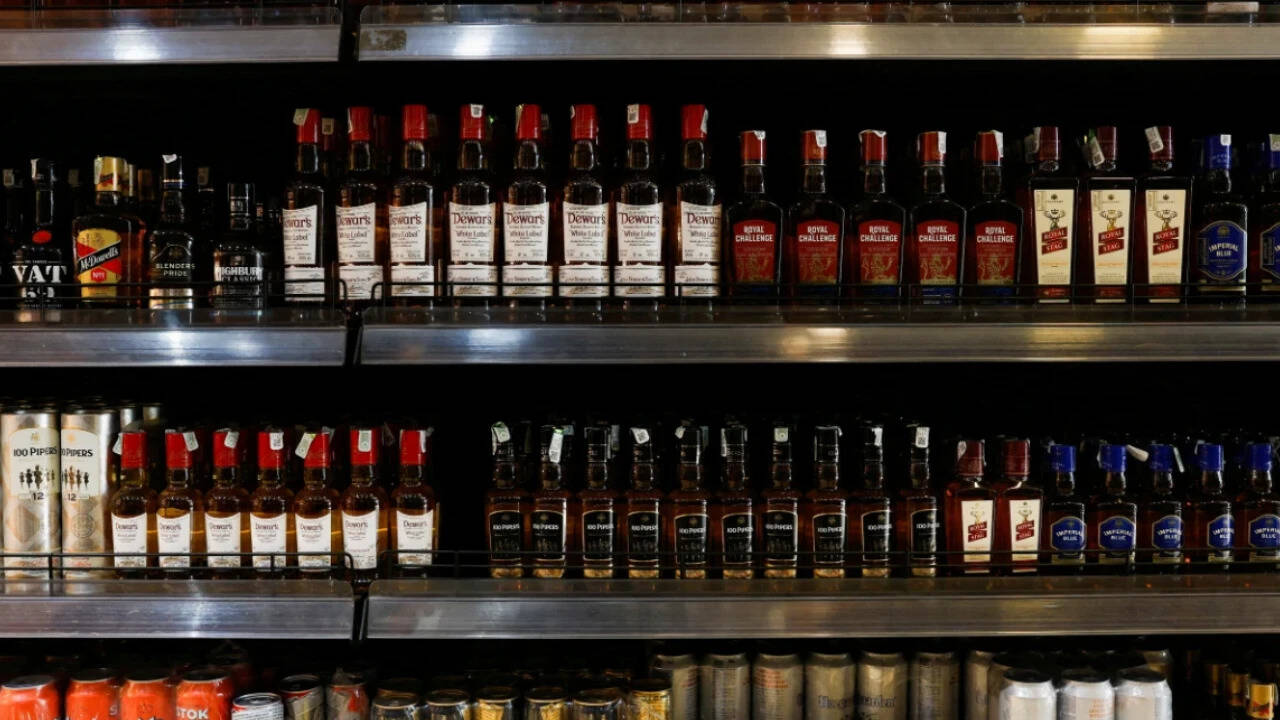
Following the recent signing of a comprehensive trade accord between India and the United Kingdom, customs agents in Mumbai seized several containers of Scotch whisky, alleging that the applied duties conflict with the treaty’s tariff reduction schedule. The move has ignited a diplomatic exchange, with British trade representatives urging swift resolution while Indian officials argue that the classification of the spirit under existing customs codes warrants higher rates. This impasse arrives at a delicate moment, as both economies seek to capitalise on post‑pandemic recovery.
The underlying friction stems from divergent interpretations of the agreement’s provisions concerning alcoholic beverages, a sector traditionally protected by high duties in India. Legal advisers on both sides are scrutinising the text for clauses that might allow temporary safeguards, while industry bodies warn that prolonged uncertainty could dampen imports and affect retailers reliant on premium whisky sales. The episode also highlights the broader challenge of aligning regulatory frameworks across jurisdictions with differing fiscal philosophies.
Consequences are already manifesting in market sentiment, with whisky futures experiencing volatility and Indian distributors reconsidering inventory strategies. If unresolved, the dispute may set a precedent for other product categories, potentially slowing the rollout of the trade pact’s benefits. Over the next twelve months, the episode could compel both governments to negotiate a supplemental protocol, thereby shaping the future architecture of India‑UK trade relations.
Comments 0