Cyclone Arnab Disrupts Transport and Claims Lives Along Andhra and Odisha Coasts
The landfall of Cyclone Arnab in Andhra Pradesh and Odisha triggered deadly electrocutions and forced the cancellation of over fifty trains and numerous flights. Heavy rains exceeding two hundred millimetres battered coastal districts, uprooting trees and power lines.
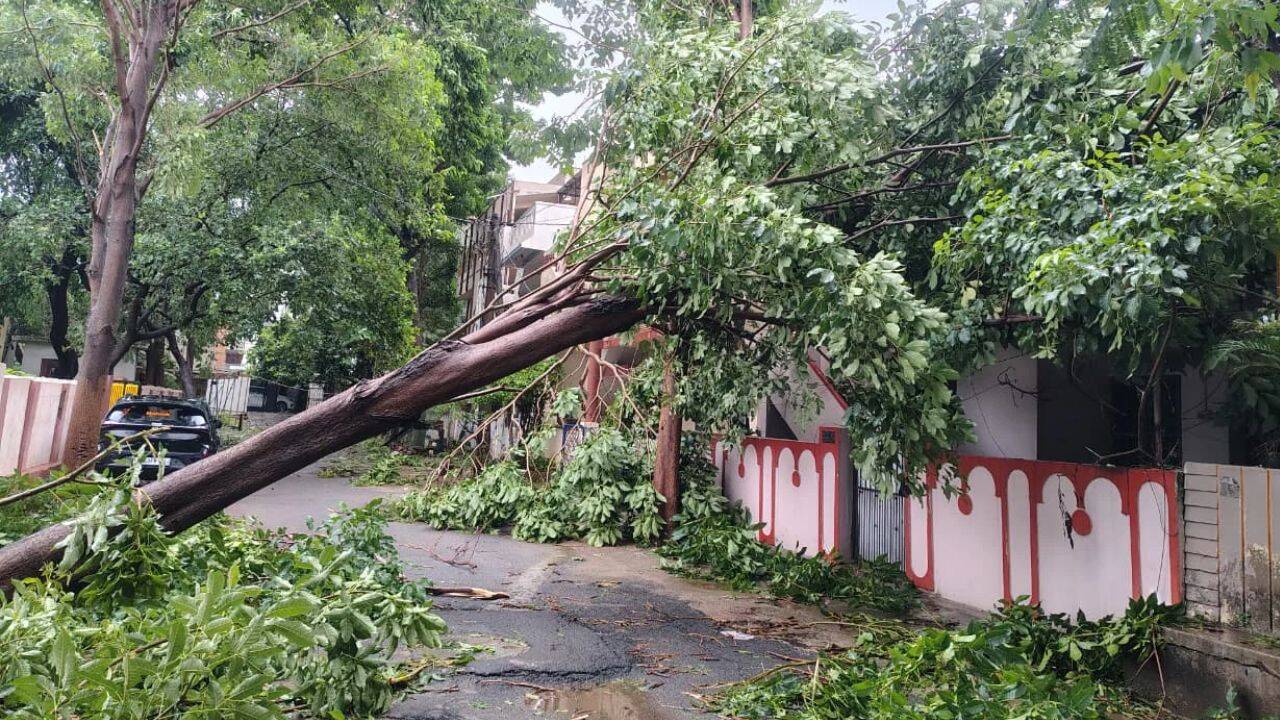
The concrete rupture unfolded as Arnab made landfall, unleashing gale‑force winds that snapped electric poles and sent live wires into floodwaters, resulting in two separate electrocution fatalities. Simultaneously, the storm’s deluge swamped low‑lying villages, damaging homes and agricultural fields, while the regional rail network halted more than fifty services to protect passengers from track inundation. Airports in the affected states suspended operations, compounding travel chaos for millions of commuters and business travellers.
Underlying tension can be traced to the region’s chronic vulnerability to tropical cyclones, exacerbated by inadequate drainage infrastructure and delayed implementation of coastal protection projects. State authorities, already stretched by previous monsoon failures, struggled to coordinate rescue operations and restore power, highlighting gaps in disaster‑response mechanisms. The storm also exposed the fragility of supply chains that depend on uninterrupted rail and air links for the movement of essential commodities.
The downstream impact reverberates through the local economy as markets face shortages of fresh produce and fuel, prompting price spikes that strain household budgets. Agricultural losses are projected to affect the upcoming harvest season, potentially reducing state revenue and prompting calls for increased central assistance. In the longer term, the event may accelerate policy discussions on climate‑resilient infrastructure and the allocation of funds for early‑warning systems across the eastern seaboard.
Comments 0