Cyclone Murasu Disrupts Rail Network Across Andhra Pradesh
Severe weather from Cyclone Murasu forced the cancellation, diversion and rescheduling of numerous train services on November 3, 2026. The interruption has strained commuter mobility and threatened the timely movement of goods in the region’s key transport corridors.
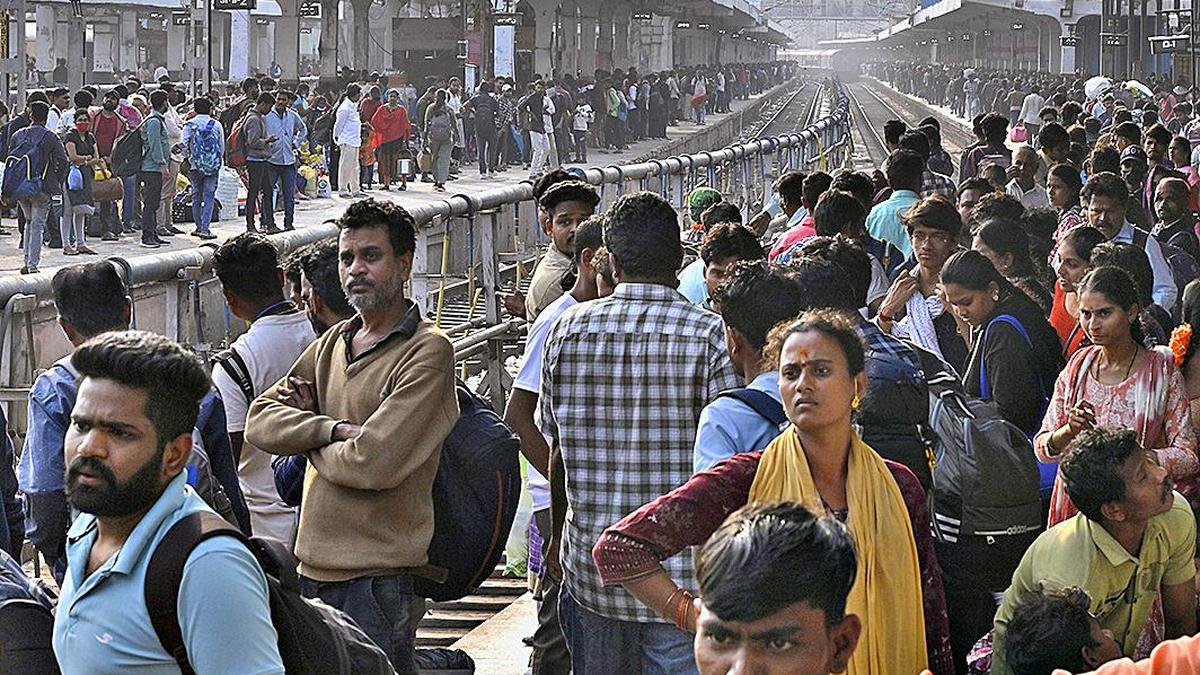
On Tuesday, the meteorological department issued an alert that Cyclone Murasu would bring heavy rainfall and strong winds to large swathes of Andhra Pradesh, prompting railway authorities to enact a comprehensive suspension of services. The official timetable listed dozens of trains as cancelled, while several others were rerouted to avoid flood‑prone sections of the track. The decision, taken as a precautionary measure, aimed to safeguard passengers and railway personnel from the imminent hazards posed by the storm’s onslaught.
The disruption has had a cascading effect on daily commuters who rely on the rail system for work, education and medical appointments. Market vendors and small businesses that depend on timely freight deliveries have reported delays, with some perishable goods already suffering loss. Local authorities have mobilised additional bus fleets to provide alternative transport, yet the sheer scale of the cancellations has overwhelmed existing capacities, leaving many stranded and prompting concerns about the economic impact on the region’s already fragile post‑pandemic recovery.
In the aftermath, railway officials are assessing damage to infrastructure, including potential track washouts and signal failures that may prolong service restoration. The incident underscores the vulnerability of critical transport networks to extreme weather events, a reality that policymakers are increasingly forced to confront. Over the next year, the state is likely to prioritize investments in climate‑resilient rail infrastructure, while commuters may experience a gradual shift toward multimodal travel options as a contingency against future disruptions.
Comments 0