Cyclone Murasu: The Looming Threat to Andhra Pradesh's Coast
Following the devastation of Cyclone Arnab, the approaching Cyclone Murasu poses a severe threat to the Andhra Pradesh coast, with landfall expected on November 3. The back-to-back cyclones have strained disaster management resources and highlighted the region's vulnerability to climate change, forcing a critical test of India's preparedness and response capabilities.
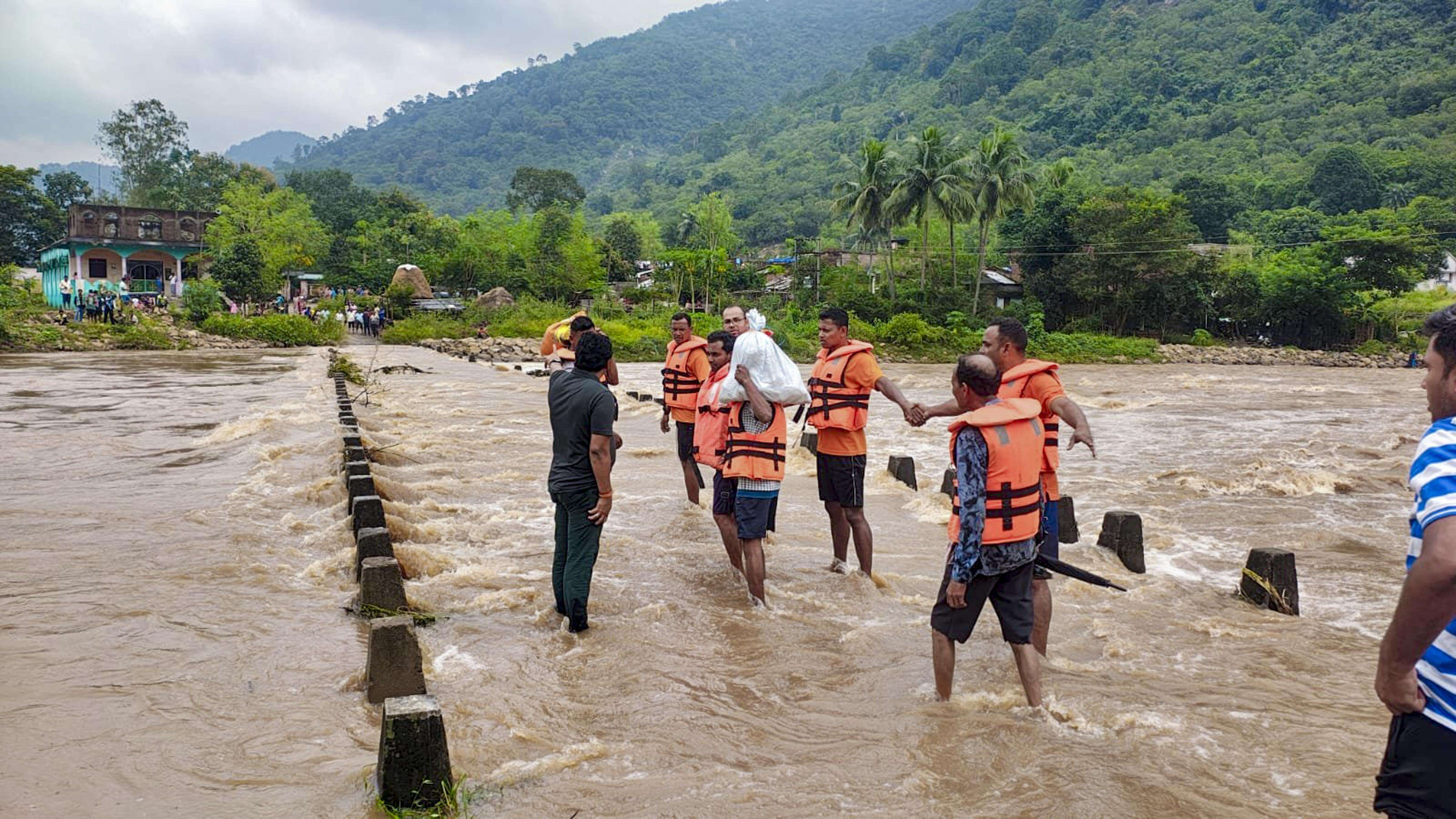
The concrete rupture in the lives of millions in Andhra Pradesh is the imminent arrival of Cyclone Murasu, a powerful storm that is expected to make landfall on November 3. This cyclone follows closely on the heels of Cyclone Arnab, which has already caused significant damage and displacement in the region. The back-to-back nature of these storms has created a compounding crisis, with disaster management agencies struggling to cope with the scale of the threat. The meteorological department has issued severe warnings, urging residents to evacuate coastal areas and prepare for heavy rainfall and strong winds. The situation is further complicated by the fact that many areas are still recovering from the previous cyclone, leaving them more vulnerable to the new storm.
The underlying tension in this crisis is the intersection of climate change and inadequate infrastructure. The increasing frequency and intensity of cyclones in the region are a direct consequence of global warming, which is making the Indian Ocean more conducive to the formation of powerful storms. However, the region's infrastructure, including drainage systems, housing, and emergency response networks, is not equipped to handle such frequent and severe events. This gap between the growing threat and the existing capacity has created a sense of helplessness among the population, who are forced to rely on government aid and community support to survive. The incident has also highlighted the need for a more proactive approach to disaster management, including better early warning systems, more robust infrastructure, and greater public awareness.
The downstream consequences of Cyclone Murasu are likely to be severe, with potential loss of life, widespread damage to property, and disruption of essential services. The economic impact will be significant, particularly for the fishing and agricultural sectors, which are heavily dependent on the coastal environment. The crisis will also strain the resources of the state government, which will have to allocate significant funds for relief and reconstruction. In the long term, the incident will serve as a wake-up call for the need to invest in climate resilience and adapt to the changing weather patterns. The success of the response to Cyclone Murasu will be a critical test of India's ability to manage the challenges posed by climate change, and its outcome will have far-reaching implications for the region's future.
Comments 0