‘De-risk, not decouple’: Bessent says US-China must cooperate on AI risks
U.S. Treasury Secretary Scott Bessent urged the United States and China to focus on reducing risks associated with artificial intelligence rather than seeking to separate their economies. Both nations plan to start a dialogue on superintelligence threats at an upcoming meeting.
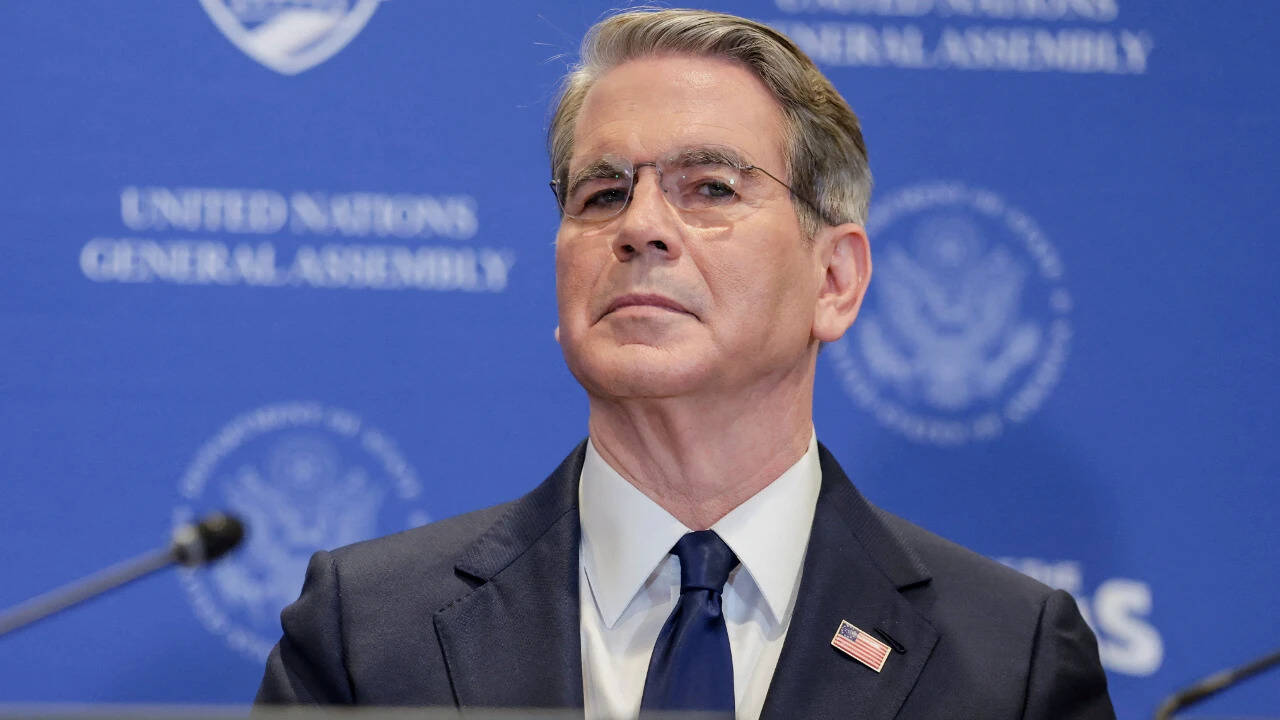
In a recent statement, Bessent emphasized that the rapid development of advanced AI systems presents shared challenges that cannot be addressed by unilateral action. He argued that cooperation on safety standards, research transparency, and risk mitigation strategies is essential to prevent unintended consequences such as autonomous weapon misuse or large‑scale misinformation campaigns. The United States and China, as the two largest developers of AI technology, have the capacity to shape global norms, and Bessent’s call reflects a growing consensus among policymakers that collaboration is more effective than a policy of economic decoupling.
The proposed dialogue will be part of a broader series of bilateral talks scheduled for later this year, where senior officials from both countries will exchange views on the governance of superintelligent systems. Participants are expected to discuss mechanisms for joint monitoring of AI research, the establishment of shared safety protocols, and the creation of channels for rapid communication in case of emergent threats. Analysts note that such cooperation could also benefit other sectors, including climate modeling and health research, where AI tools are increasingly vital. For Indian readers, the outcome of these talks matters because India’s own AI industry looks to both U.S. and Chinese technologies for innovation, and global standards will influence domestic regulatory frameworks.
The emphasis on risk reduction over economic separation signals a shift in diplomatic language, acknowledging that competition in AI does not have to translate into a zero‑sum game. Observers suggest that successful cooperation could set a template for multilateral engagement on emerging technologies, encouraging other nations to join the conversation. However, skeptics warn that deep‑seated strategic mistrust may limit the depth of collaboration, and that any agreement will need robust verification mechanisms to be credible. The next steps will involve drafting a joint statement that outlines specific areas of cooperation and timelines for implementation.
Comments 0