Decade of Limbo Spurs Desperate Plea From Death Row Inmate in Punjab
The lone surviving convict in the assassination of former Punjab Chief Minister Beant Singh has formally demanded execution or immediate clemency. The urgent correspondence resurrects deep historical scars regarding procedural delays in high-security capital cases.
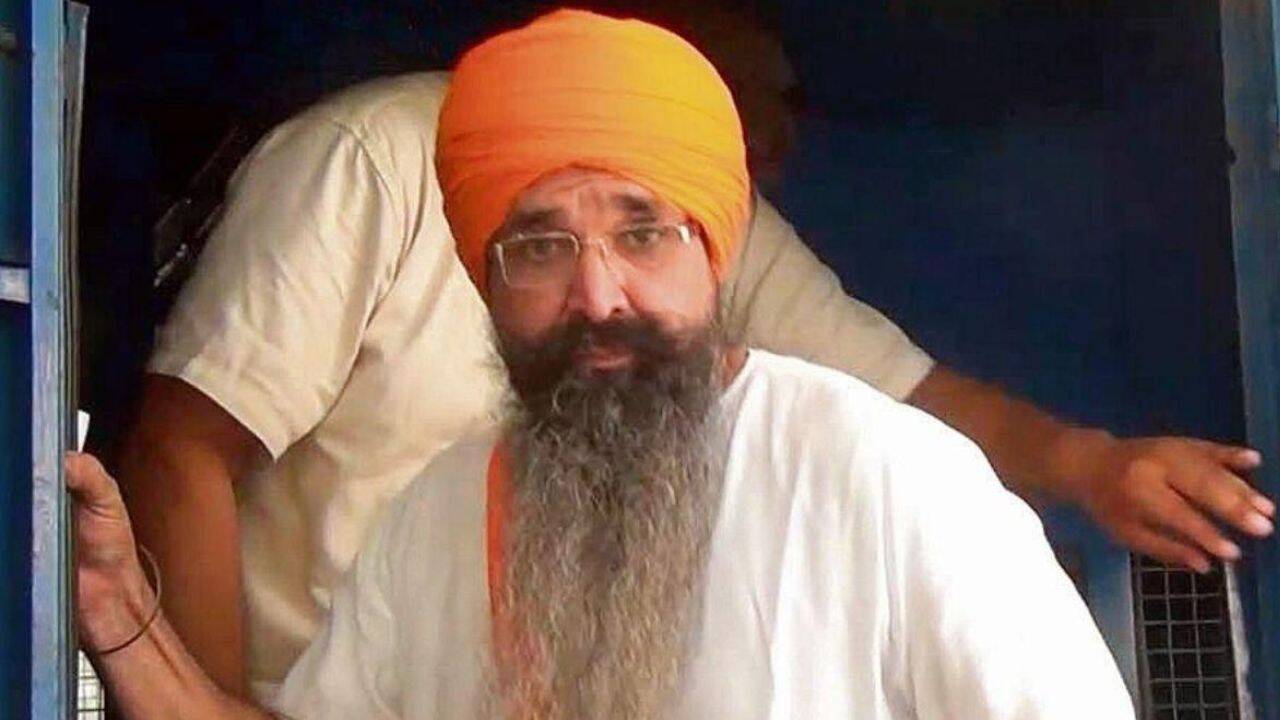
The prolonged legal purgatory surrounding major terrorism convictions in northern India has reached a new threshold of moral urgency. Balwant Singh Rajoana, condemned for his role in the 1995 assassination that claimed the life of the state's chief executive, addressed the prime minister directly with a stark binary choice. Decades of institutional dithering on his pending mercy petition have transformed his incarceration into an open-ended psychological ordeal, prompting a rare public demand for finality. The friction driving this case involves the delicate balance between state security imperatives and the humanitarian mandate against indefinite psychological torture on death row. Successive union administrations have routinely deferred a definitive ruling on the clemency petition, fearing volatile regional reactions in Punjab regardless of the decision. This perpetual delay institutionalizes a gray zone where constitutional remedies are neither granted nor denied, leaving judicial finality hostage to shifting electoral calculations. The tangible outcome of this inertia is the continuous exacerbation of regional anxieties and the erosion of faith in the predictability of penal justice. By keeping high-profile cases in indefinite suspension, the state invites continuous political exploitation by radical factions seeking to martyrdom-ify convicts. Resolving the petition, whether through commutation or execution, remains the only path to closing a painful chapter of state history.
Comments 0