Decibel Regulation Debate: Mumbai Activists Shift Focus from DJs to General Sound Amplification During Ganeshotsav
Civic activists in Mumbai argue that excessive sound amplification systems, rather than disc jockey equipment alone, constitute the primary noise hazard during religious festivals. The ongoing debate challenges municipal enforcement strategies.
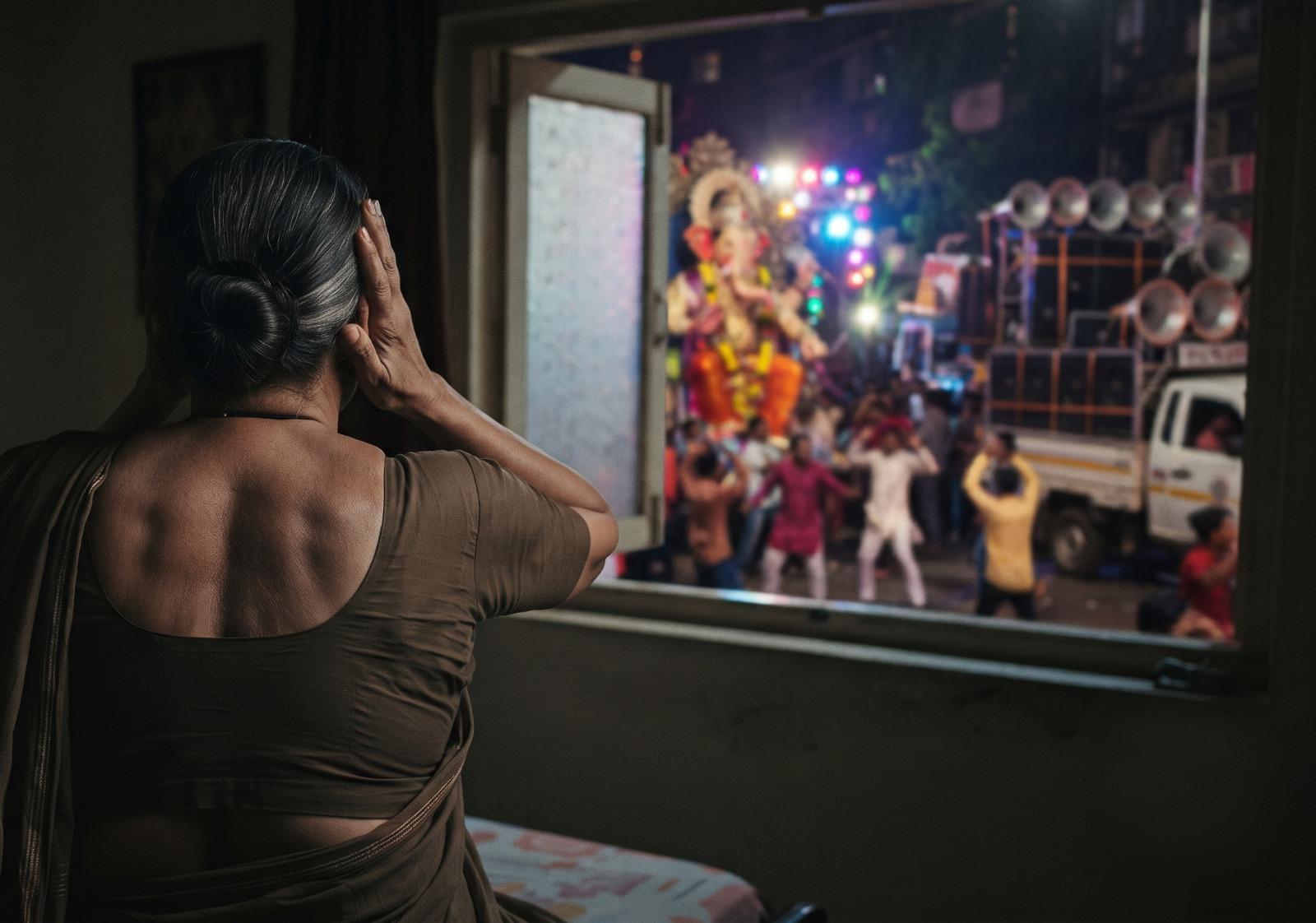
As annual festivities reach their peak across Mumbai, urban activists have redirected public discourse away from specific musical performers toward the pervasive use of high-powered sound amplification systems. Critics assert that targeting disc jockeys misses the root cause of noise pollution, which stems from massive speaker arrays deployed across public thoroughfares without regard for statutory decibel limits. This perspective complicates enforcement efforts by police and municipal bodies tasked with balancing cultural expression and public health. The underlying tension exposes the difficulty of regulating cultural traditions within densely populated urban environments where noise ordinances routinely clash with festive fervor. Law enforcement agencies frequently adopt a permissive stance during major religious celebrations, fearing political backlash and community friction. Consequently, statutory noise limits remain largely symbolic, leaving vulnerable populations exposed to sustained auditory assault. The immediate outcome is a fractured enforcement where citizens' grievances are met with inconsistent administrative responses across different municipal wards. While activists push for real-time decibel monitoring and confiscation of non-compliant equipment, authorities struggle to reconcile compliance with public order imperatives. The broader structural consequence is the normalization of severe urban noise pollution as an inevitable byproduct of cultural celebration.
Comments 0