Delhi Air Quality Deteriorates Sharply, Triggering GRAP-1 Restrictions Across NCR
Delhi's Air Quality Index has spiked from 179 to 244 in a single day, prompting the immediate activation of GRAP-1 restrictions across the National Capital Region. This rapid deterioration underscores the fragility of the region's environmental gains and the immediate impact of seasonal weather patterns on public health.
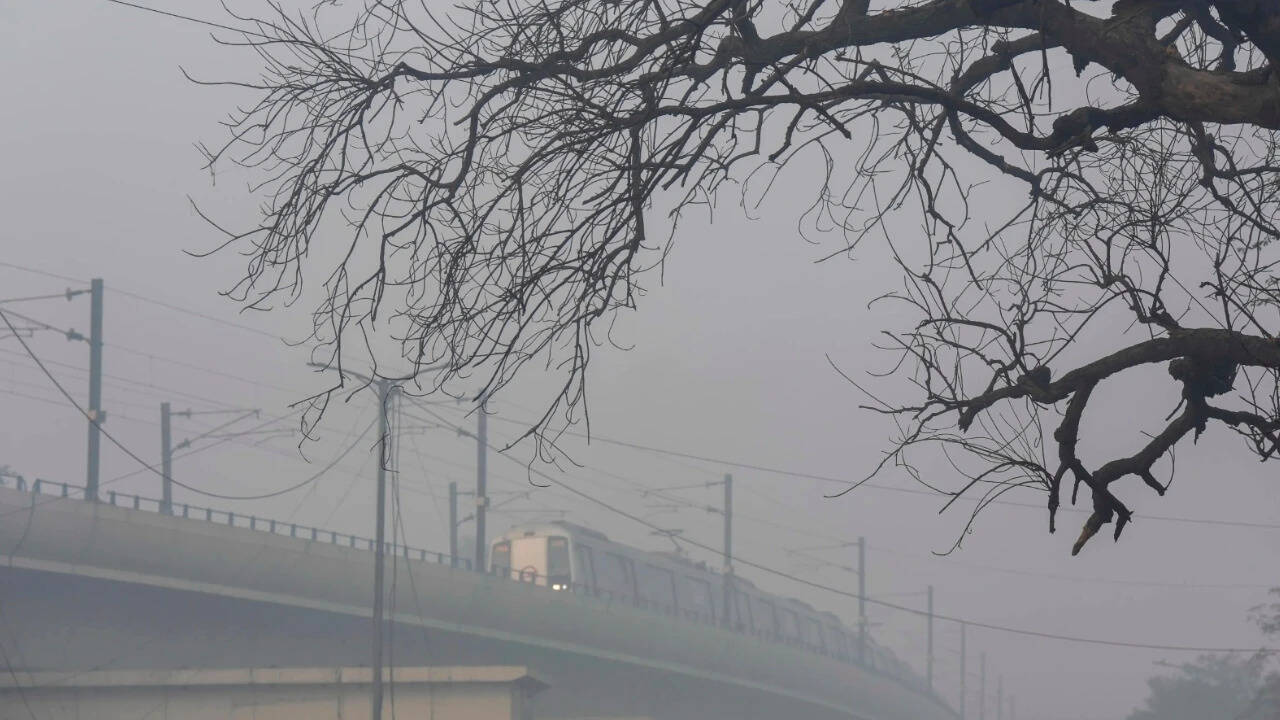
The air over Delhi has turned hazardous, with the Air Quality Index jumping from 179 to 244 in a matter of hours, a sharp decline that has forced authorities to implement GRAP-1 measures. This includes the suspension of non-essential construction activities and the enforcement of stricter vehicle emission standards. The sudden spike is a stark reminder that the region's air quality remains highly sensitive to meteorological conditions, particularly the onset of winter stagnation and the accumulation of pollutants from stubble burning and industrial emissions.
The underlying tension in NCR's air quality management lies in the gap between regulatory intent and on-ground enforcement. Despite the implementation of the Graded Response Action Plan, the region continues to struggle with the sheer volume of particulate matter generated by a dense population, heavy traffic, and industrial activity. The rapid deterioration suggests that current mitigation strategies are insufficient to counteract the seasonal factors that exacerbate pollution, highlighting a systemic failure in long-term air quality planning.
The immediate consequence is a public health crisis, with vulnerable populations, including children and the elderly, facing increased risks of respiratory and cardiovascular issues. The economic impact is also significant, as construction halts and traffic restrictions disrupt daily life and commerce. This event serves as a warning that without more aggressive and sustained interventions, the region will continue to face recurring air quality emergencies that undermine the quality of life and economic productivity.
Comments 0