Delhi CJP Protest News LIVE: CJP's Abhijeet Dipke Leaves Mumbai Hotel For Delhi
Protests against the appointment of Abhijeet Dipke as Chief Justice of the Delhi High Court have led to significant disruptions in the capital. Metro services have been suspended at key stations to manage the crowds and ensure public safety.
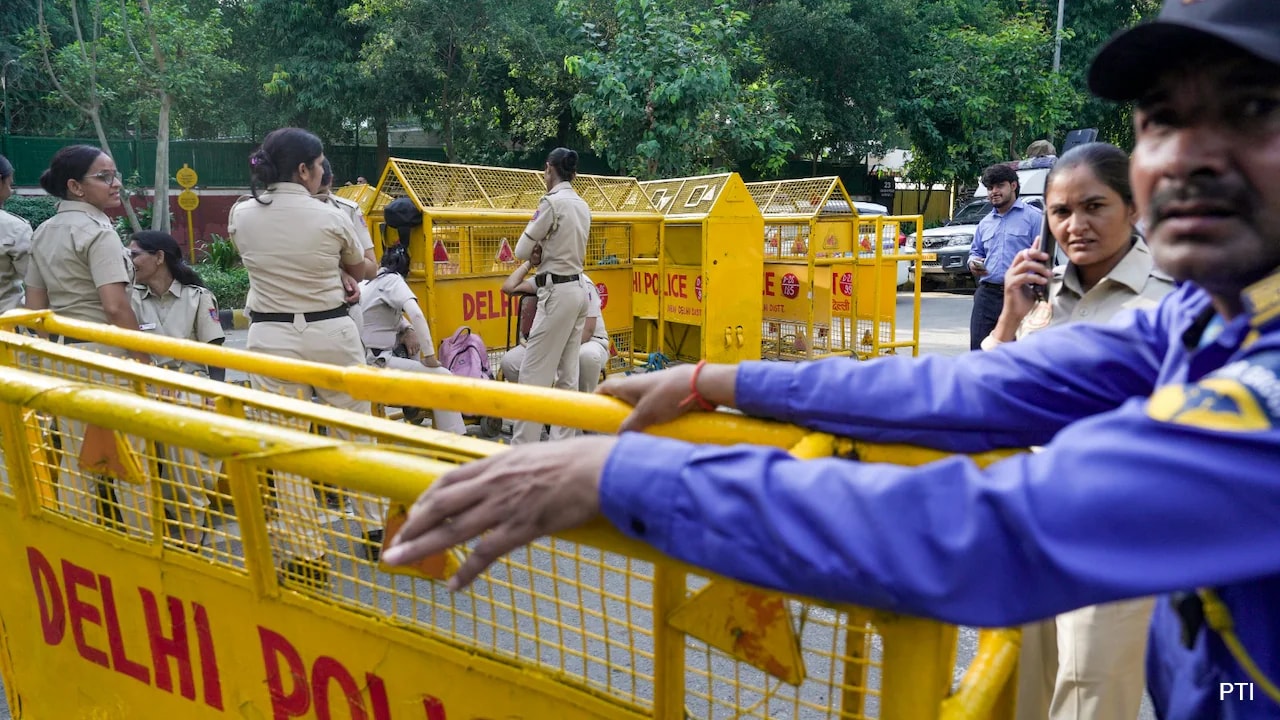
The ongoing protests in Delhi against the appointment of Abhijeet Dipke as the Chief Justice of the Delhi High Court have resulted in major logistical changes across the city's transit network. Authorities have announced that entry and exit gates at 45 Delhi Metro stations will remain closed for the day. This includes major hubs such as Rajiv Chowk, New Delhi, Central Secretariat, Patel Chowk, and Kashmere Gate. The decision was made to prevent large gatherings and to facilitate the movement of police and emergency services in areas where protests are expected to be concentrated. The closure affects a significant portion of the daily commuter population, causing widespread inconvenience.
The protests were triggered by the transfer of Abhijeet Dipke from the Mumbai High Court to the Delhi High Court. Dipke left a hotel in Mumbai to travel to Delhi, a move that was closely monitored by both supporters and critics. The opposition to his appointment stems from concerns raised by various legal and civil society groups regarding the process of his selection. These groups argue that the appointment does not align with the principles of judicial independence and merit. The situation has drawn attention to the broader debate on how judicial appointments are made in India and the role of public opinion in such processes.
For residents of Delhi, this disruption highlights the intersection of judicial politics and daily urban life. The closure of metro gates is a rare occurrence and underscores the intensity of the public sentiment surrounding the issue. It also places a strain on the city's infrastructure as commuters seek alternative routes. The event serves as a reminder of the power of collective action in influencing public discourse on governance and judicial matters. As the protests continue, the focus will likely remain on how authorities manage the balance between allowing peaceful expression and maintaining public order in the capital.
Comments 0