Delhi Court Calls for CBSE Clarification on Calculator Use in Class 12 Exams
The Delhi High Court has asked the Central Board of Secondary Education to explain its stance on allowing basic calculators in Class 12 Accountancy and Mathematics examinations. The petition, filed by a group of parents, could reshape assessment practices across the nation.
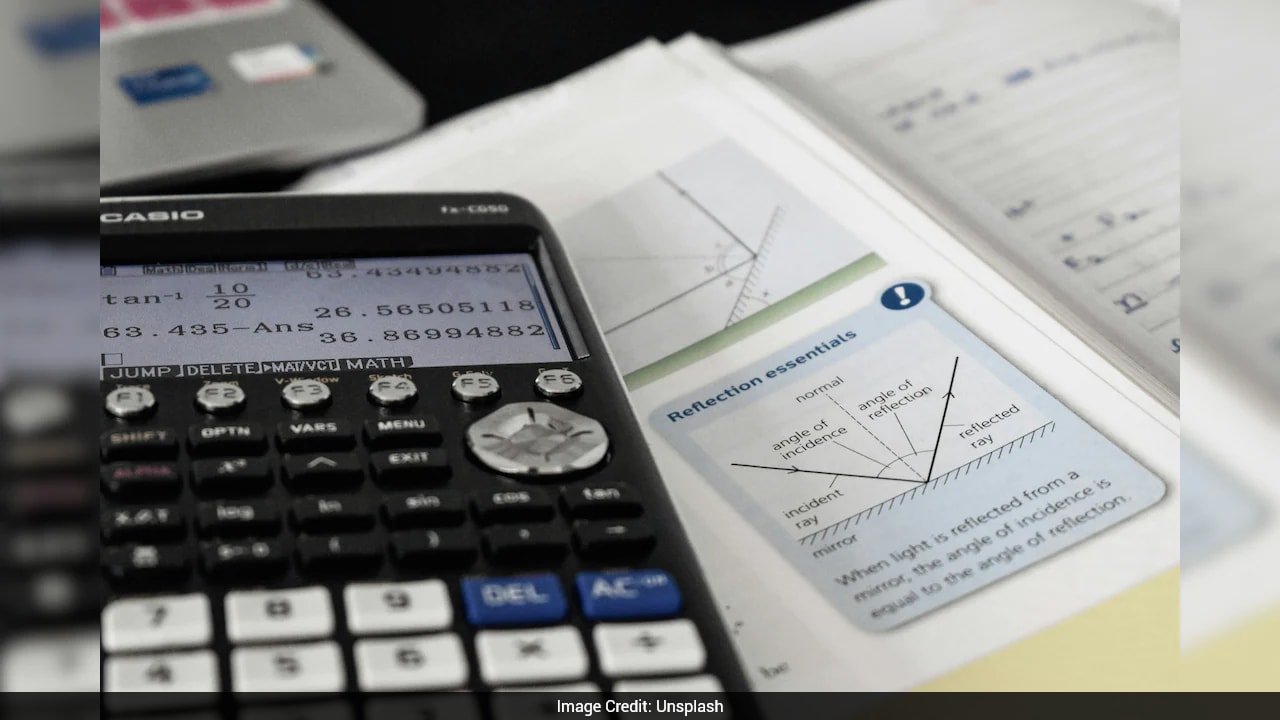
The petition before the Delhi High Court argues that the prohibition of calculators places students at a disadvantage, especially in a curriculum that increasingly emphasizes analytical reasoning over rote computation. By seeking a formal reply from the CBSE, the petitioners aim to compel the board to revisit its examination policy, which has remained unchanged for over a decade. The court's involvement signals a growing judicial interest in educational standards and the balance between assessment integrity and technological adaptation.
If the CBSE decides to permit calculators, the immediate effect will be felt in the preparation strategies of millions of students who sit for the board examinations each year. Coaching institutes would need to adjust their teaching materials, and textbook publishers might revise problem sets to incorporate calculator‑friendly techniques. This shift could also influence the grading distribution, as students would be able to solve more complex numerical problems within the allotted time, potentially raising overall performance metrics.
Beyond the classroom, the decision could set a precedent for other state boards and private educational bodies, prompting a nationwide dialogue on the role of digital tools in high‑stakes testing. Policymakers may be urged to develop clear guidelines that delineate permissible technology, thereby preventing a fragmented regulatory environment. In the longer term, embracing calculators could align Indian assessment practices with international standards, enhancing the comparability of Indian graduates in global academic and professional arenas.
Comments 0