Delhi Court Denies Bail to PG Operator in Satya Niketan Collapse
A Delhi court has denied bail to the operator of the Satya Niketan building, citing a deliberate prioritization of financial gain over student safety. This judicial decision underscores the severe legal consequences for negligence in India's informal housing sector, where safety standards are often ignored for profit.
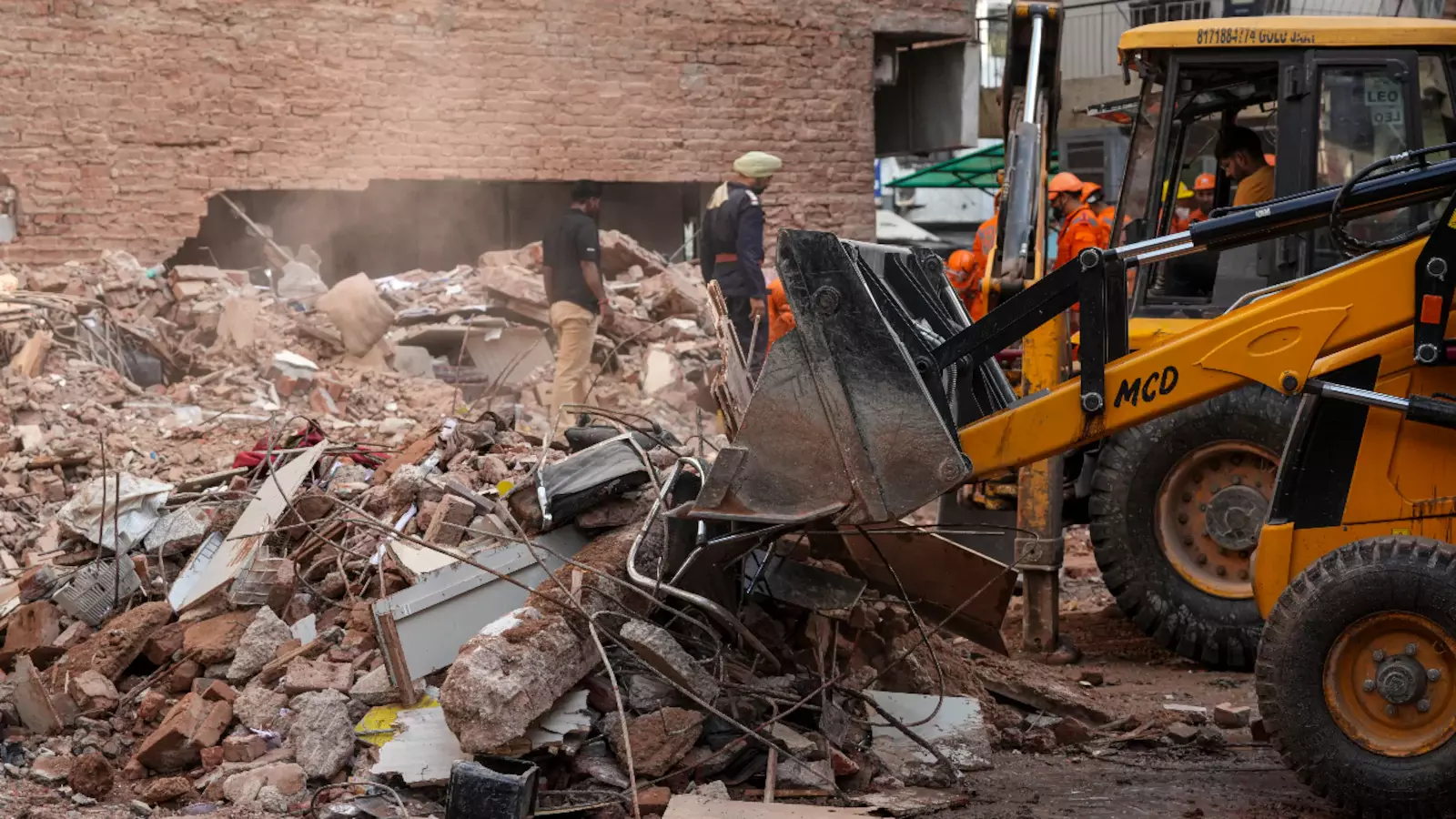
The denial of bail to the operator of the Satya Niketan building in Delhi marks a concrete rupture in the cycle of impunity that has often surrounded building collapses in the capital. The court's explicit statement that the operator prioritized financial benefits over the safety of students is a stark indictment of the commercial incentives that drive the informal housing market. This decision is not merely a legal outcome but a moral judgment, signaling to the industry that the cost of negligence is now personal liberty, not just financial penalty.
The underlying tension is the structural failure of regulatory oversight in India's rapidly urbanizing cities. The informal housing sector, which accommodates millions of students and workers, operates in a gray zone where building codes are often bypassed to keep rents affordable. This friction between economic necessity and safety standards has led to a systemic risk that is only now being addressed through punitive judicial measures. The court's action highlights the gap between the law on paper and the reality on the ground, where enforcement is often weak and corruption is rampant.
The downstream casualties of this decision extend beyond the operator to the entire ecosystem of informal housing. Landlords and operators will likely face increased scrutiny and higher compliance costs, which could be passed on to tenants in the form of higher rents. For the students and families affected by the collapse, this decision offers a measure of justice but does not undo the tragedy. The tangible outcome is a shift in the risk profile of the informal housing sector, with investors and operators now facing a higher probability of criminal liability, which may lead to a consolidation of the market and a push for formalization.
Comments 0