Delhi Extends Traffic Curbs Amid Judicial Protest
Delhi authorities prolonged vehicle restrictions for a second day as lawyers rallied against the Chief Justice's recent remarks on judicial independence. The curbs have already altered commuter flows and heightened pressure on public transport operators.
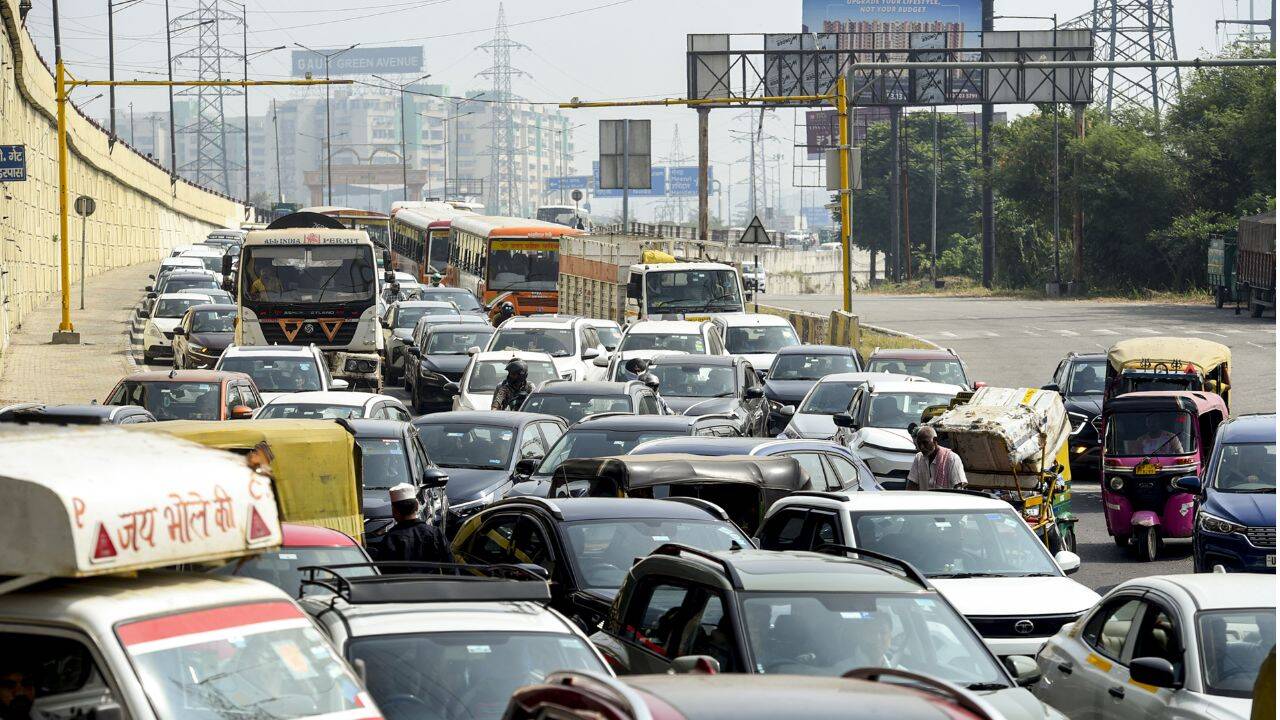
The traffic management plan, announced by the Delhi Police, mandates that commercial and heavy vehicles avoid key arterial routes during peak hours, redirecting them to peripheral corridors. This measure, initially intended as a temporary response to the protest, was extended after the legal community intensified its demonstrations outside the Supreme Court. Officials cited safety concerns and the need to maintain emergency response times as justification for the continued restrictions, while also urging citizens to utilise metro and bus services.
The protest, sparked by the Chief Justice's comments on alleged executive interference, has drawn participation from bar associations across the capital. Lawyers have organized sit‑ins at major courts, demanding a formal inquiry into the remarks. The convergence of legal dissent and traffic disruption has created a complex operational environment for municipal agencies, which must balance law‑and‑order imperatives with the public's mobility needs. Private logistics firms reported increased delivery times, prompting some to negotiate temporary warehousing solutions near distribution hubs.
Transport economists predict that the extended curbs could accelerate a shift toward multimodal commuting, as commuters seek reliable alternatives to private vehicles. In the medium term, the city may witness heightened investment in last‑mile connectivity and a reassessment of freight routing policies. The episode also underscores the delicate interplay between judicial independence and civic infrastructure, a dynamic likely to influence future governance debates in the capital.
Comments 0