Delhi High Court bars repeated punishment for a single historic parole breach
The court ruled that a prisoner cannot be subjected to multiple penalties for one parole violation committed years ago, overturning lower‑court orders. The judgment sent shockwaves through the correctional system and legal community.
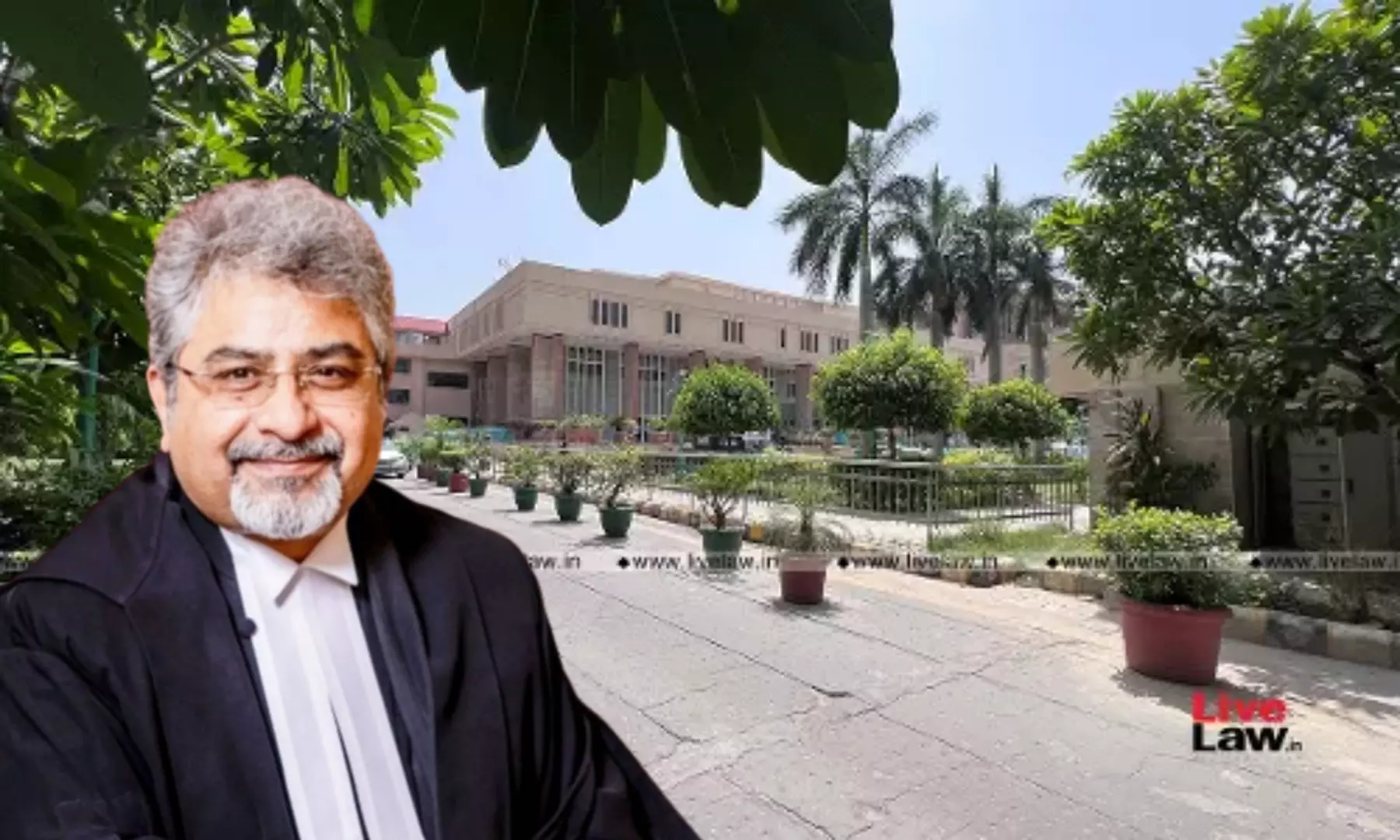
The Delhi High Court issued a decisive order that a convict, whose parole breach occurred long before the present, may not face successive punishments for the same infraction. The bench emphasized the principle of double jeopardy and the need for proportionality in sentencing, thereby nullifying a series of punitive measures that had been stacked over time. This ruling instantly altered the legal standing of the inmate, halting further detention extensions and prompting a review of similar cases across the jurisdiction.
Underlying the decision is a long‑standing tension between parole boards, which aim to balance rehabilitation with public safety, and courts that guard constitutional safeguards. Critics of the parole system have argued that vague guidelines allow for arbitrary extensions of custody, while prison officials contend that repeated sanctions deter future violations. The High Court’s interpretation forces a recalibration of these competing priorities, compelling authorities to adopt clearer criteria for any additional penalties.
The downstream consequences will reverberate through the penal apparatus. Prison administrators must now reassess the status of dozens of inmates caught in comparable legal limbo, potentially reducing overcrowding and easing budgetary pressures. Legal practitioners anticipate a surge in appeals citing the precedent, while advocacy groups see an opening to press for broader parole reforms. The ruling may also influence legislative debates on sentencing guidelines, nudging policymakers toward more transparent and humane correctional policies.
Comments 0