Delhi High Court Carves Out Judicial Exemption From Pollution Curbs
The Delhi High Court has permitted advocates and court staff to operate their vehicles despite ongoing pollution control measures, citing the essential nature of their duties. This ruling highlights the institutional friction between environmental regulations and the operational needs of the judiciary.
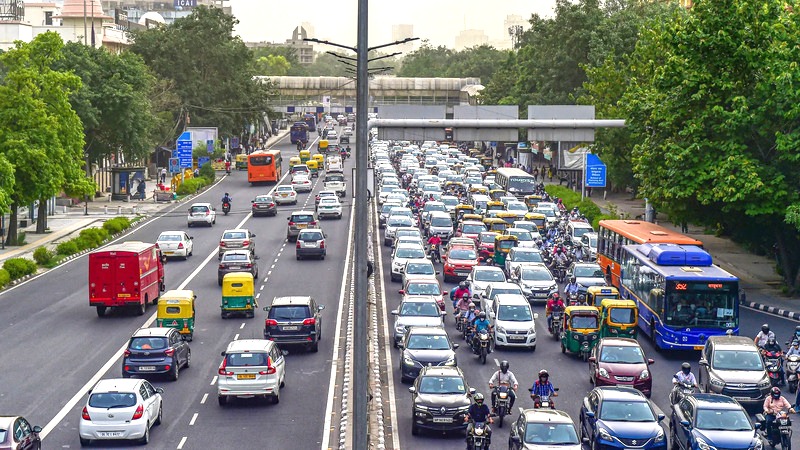
The concrete outcome of the Delhi High Court's recent order is the creation of a specific exemption for legal professionals and court staff from the city's strict pollution curbs. By allowing these individuals to ply their vehicles, the court has prioritized the uninterrupted functioning of the judicial system over the immediate environmental concerns that prompted the restrictions. This decision is a direct response to the practical challenges faced by the judiciary in maintaining its operations during periods of severe air quality degradation. The ruling underscores the court's view that its role in administering justice is an essential public service that cannot be compromised by environmental regulations.
The underlying tension in this case reflects the broader conflict between environmental policy and institutional functionality in a densely populated urban center like Delhi. The pollution curbs, implemented to mitigate the health risks associated with poor air quality, have inadvertently disrupted the daily operations of the court, affecting access to justice for litigants and legal professionals. The court's decision to grant this exemption is a pragmatic acknowledgment of the limitations of a one-size-fits-all approach to environmental regulation. It highlights the need for more nuanced policies that balance public health with the operational requirements of critical institutions.
The downstream consequences of this ruling may set a precedent for other essential services to seek similar exemptions from pollution curbs, potentially undermining the effectiveness of the environmental measures. While the immediate benefit is the continued functioning of the judiciary, the long-term impact on air quality and public health remains a concern. This decision also raises questions about the fairness of such exemptions, as it creates a tiered system of mobility based on professional status. The court's ruling will likely be scrutinized by environmental groups and public health advocates, who may argue that it prioritizes institutional convenience over the well-being of the general population.
Comments 0