Delhi High Court Dismisses Public Interest Litigation on Police Action Controversies
The Delhi High Court has declined a public interest petition seeking an independent fact-finding committee to investigate conflicting narratives surrounding recent law enforcement actions. The judicial refusal reinforces procedural boundaries regarding executive accountability and judicial intervention in public disturbances.
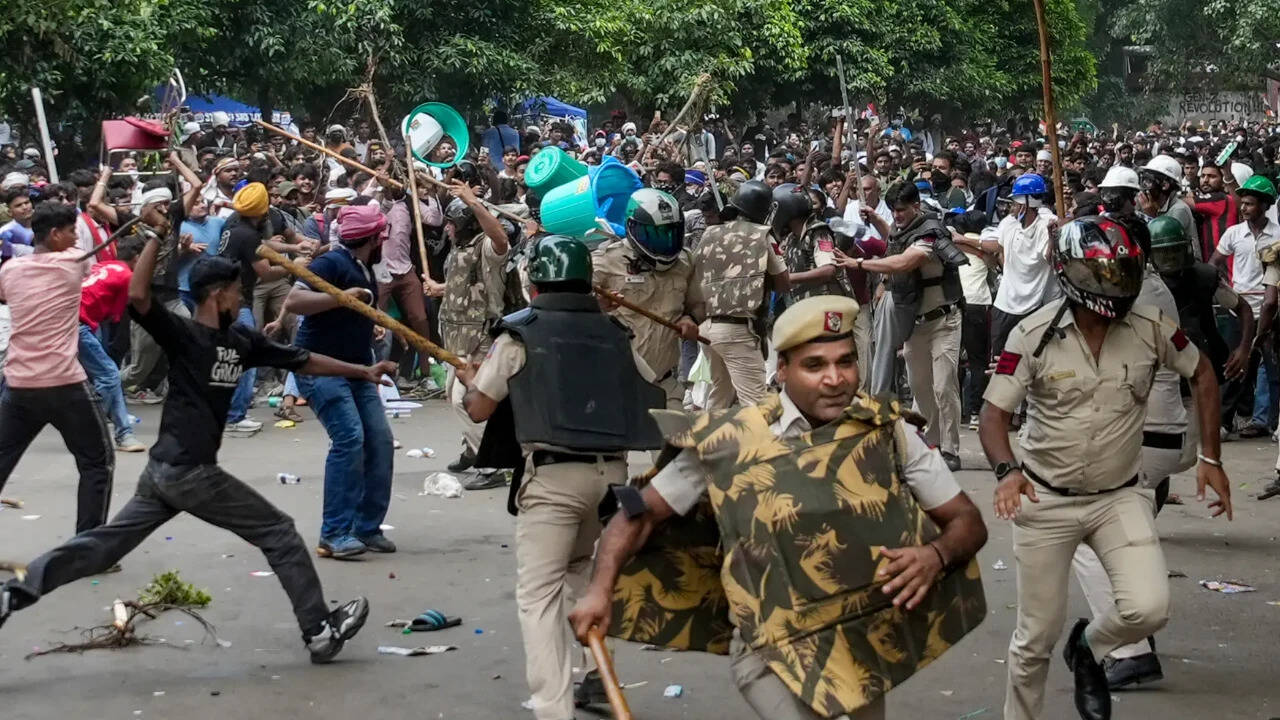
The judiciary in the national capital has chosen not to intervene in the bitter public dispute regarding police conduct during recent civil demonstrations. A division bench rejected the public interest litigation, noting that institutional mechanisms already exist within administrative frameworks to address grievances of excessive force or operational misconduct. The ruling underscores a strict judicial reluctance to establish parallel fact-finding bodies that might usurp statutory investigative authorities. This legal decision reflects an ongoing institutional tension between civil rights advocates seeking judicial oversight of security forces and the state apparatus defending operational autonomy. Petitioners argued that conflicting claims between protesters and police necessitated an impartial judicial commission to establish factual integrity. By declining the plea, the court emphasized adherence to standard procedural channels rather than exceptional judicial mandates. The immediate casualty of this ruling is the immediate transparency sought by civil society groups regarding specific instances of alleged overreach. Without an independent judicial inquiry, accountability remains strictly within internal departmental reviews, which critics often view as insular and protective of institutional interests. Public trust in law enforcement transparency will continue to be heavily contested in upcoming civic forums.
Comments 0