Delhi High Court Evaluates Centre Plea For Removal Of Krishi Bhawan Masjid
The central government petitioned the Delhi High Court to authorize the demolition of a mosque located within the Krishi Bhawan complex. Authorities argue the structure violates the secular architecture of government administrative properties under ongoing redevelopment plans.
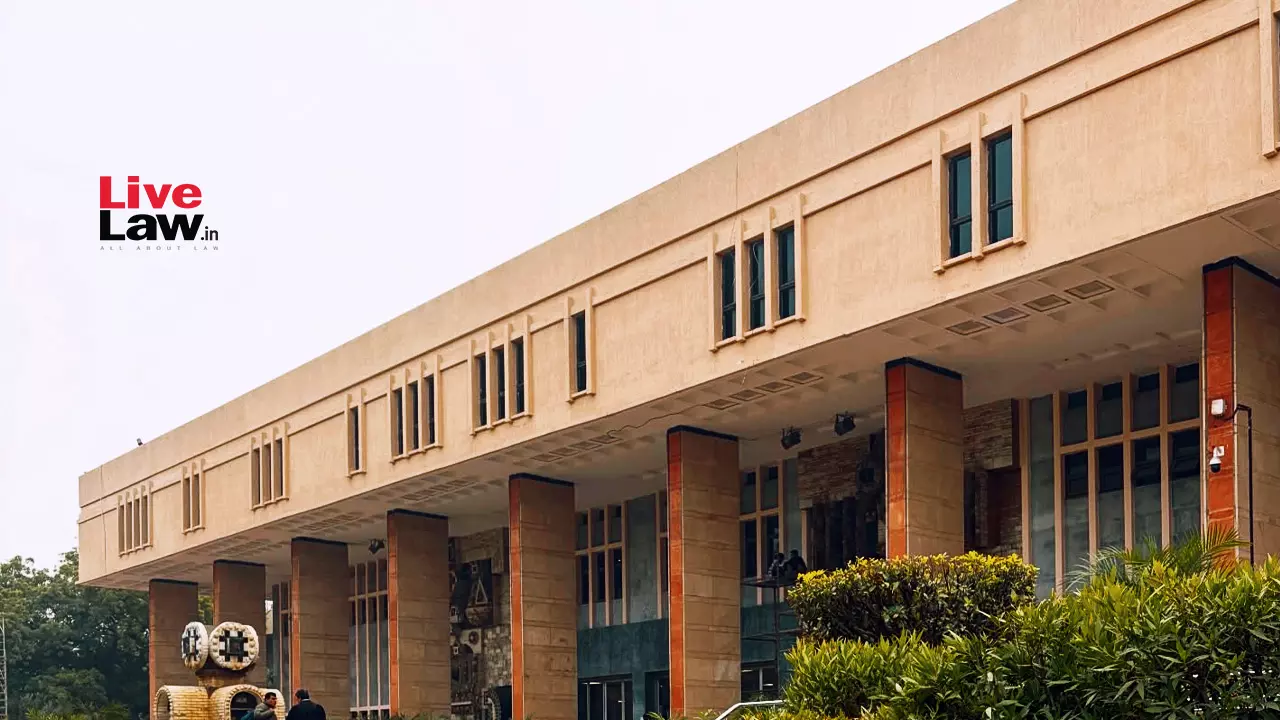
The legal confrontation centers on the continued existence of a historic place of worship inside a prime bureaucratic enclave slated for comprehensive urban renewal under the Central Vista project. Government counsels argued before the bench that maintaining a religious structure within a high-security administrative ministry is fundamentally incompatible with the neutral character mandated for state assets. The petition underscores a broader governmental push to homogenize the architectural and functional identity of national capital real estate. Representatives for the management committee countered that the structure holds deep historical and communal legitimacy, predating recent administrative redrawing of the bureaucratic zone.
The underlying tension exposes deep fractures regarding the management of religious heritage spaces located inside high-security government zones across the national capital. Urban planners and preservationists argue that state-led redevelopment projects frequently sideline historical continuity in favor of architectural uniformity and tightened security protocols. Legal experts have pointed out the delicate balance required between modernizing administrative infrastructure and respecting established minority rights within public spaces. The judiciary faces the complex task of adjudicating property rights alongside freedom of religion guarantees enshrined in constitutional statutes.
The tangible outcome of this litigation will establish a powerful precedent for other places of worship situated within central government land parcels across the country. A favorable ruling for the administration will accelerate the clearance of religious structures from institutional precincts, altering the spatial dynamics of urban governance. Conversely, any judicial stay will compel the executive to incorporate historical enclaves into master development frameworks, preserving a pluralistic urban within state corridors.
Comments 0