Delhi High Court Examines PMLA Charges in Landmark IRCTC Scam Proceedings
The Delhi High Court ordered the Enforcement Directorate to respond to Lalu Prasad Yadav's petition challenging the framing of money laundering charges. The outcome of this legal challenge will determine the extent of anti-money laundering jurisdiction over legacy political corruption cases.
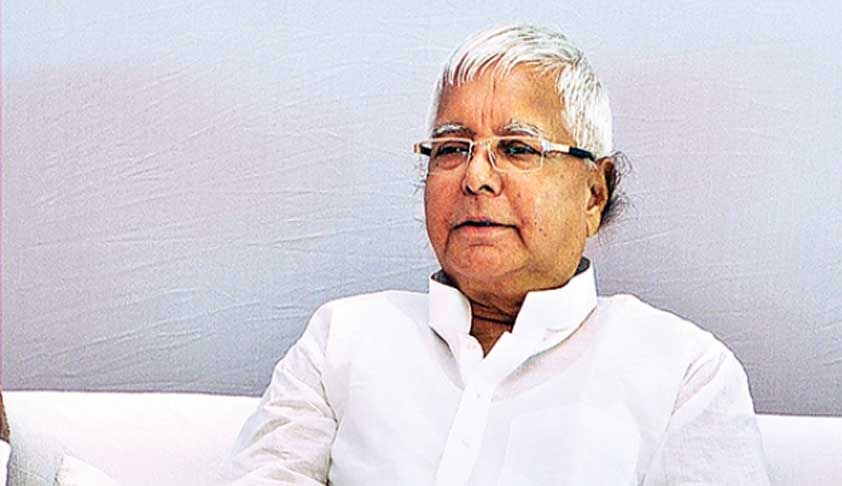
The legal battle surrounding historical railway allocations entered a critical phase as the Delhi High Court intervened in the long-running IRCTC corruption case. Representatives for the federal anti-money laundering agency were directed to file formal replies regarding the validity of charges framed under the Prevention of Money Laundering Act. This proceeding tests the temporal limits of statutory application, specifically examining how modern financial crime statutes apply to administrative decisions made decades prior during routine ministerial tenures.
At the heart of the litigation lies a fierce contest between political accountability and the expansion of investigative powers by central authorities. Defense counsels argued that invoking stringent anti-money laundering provisions for historical administrative approvals represents an overextension of state authority. Meanwhile, investigative agencies maintain that financial trails generated through alleged quid pro quo arrangements fall squarely within statutory definitions of proceeds of crime, regardless of the chronological distance from the original offense.
The judicial review carries immense weight for the broader political , serving as a legal benchmark for high-profile corruption prosecutions across India. A favorable ruling for the petitioner could force investigators to narrow their scope, while an adverse judgment would validate the aggressive application of asset recovery laws against political figures. As the court awaits the formal response, the case remains a focal point for institutional checks on federal investigative agencies.
Comments 0