Delhi High Court Sets Date for High-Stakes UAPA Bail Pleas
The Delhi High Court has scheduled hearings for the prolonged bail petitions of student activists Umar Khalid and Sharjeel Imam under anti-terror legislation. This upcoming session places the judicial handling of dissent under intense international and domestic scrutiny.
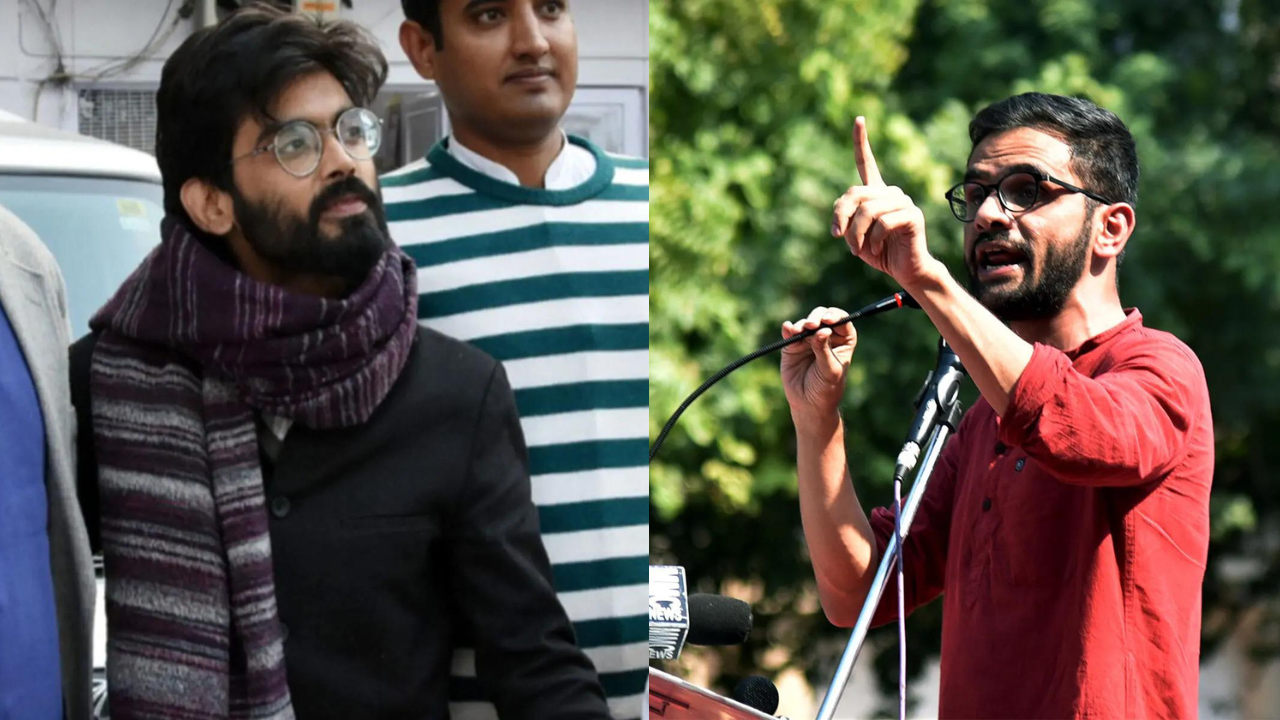
The judicial docket in the national capital has cleared space for one of its most politically fraught proceedings as the High Court prepares to evaluate the liberty pleas of prominent detainees connected to the 2020 Delhi riots. Imprisoned under the stringent Unlawful Activities Prevention Act, the applicants have spent years awaiting trial without substantive adjudication of their guilt. The impending hearings bring the complex relationship between national security jurisprudence and individual civil liberties back to the center of legal debate. This case underscores the deep institutional friction surrounding the preventive detention framework in India, where bail provisions under specialized anti-terror statutes are notoriously difficult to satisfy. Civil rights organizations and international observers have frequently criticized the indefinite pre-trial incarceration of dissidents, while state prosecutors maintain that the gravity of the alleged conspiracy demands extraordinary legal measures. The judiciary finds itself trapped between enforcing procedural expedition and safeguarding executive determinations of national security. A denial of bail will cement the precedent that prolonged pre-trial detention is a sustainable instrument for managing high-profile ideological dissent, whereas an order of release would trigger an immediate seismic shift in civil liberties jurisprudence. Regardless of the outcome, the proceedings will reverberate through university campuses and legal forums, shaping the parameters of political expression across the country for years to come.
Comments 0