Delhi High Court Stays Termination of JNU Professor and Congress MP Bimol Akoijam
The Delhi High Court has granted interim relief to JNU professor and Congress MP Bimol Akoijam, staying his termination over sexual harassment allegations. This judicial intervention halts the institutional action and places the burden of proof squarely on the complainant, raising questions about due process in high-profile cases.
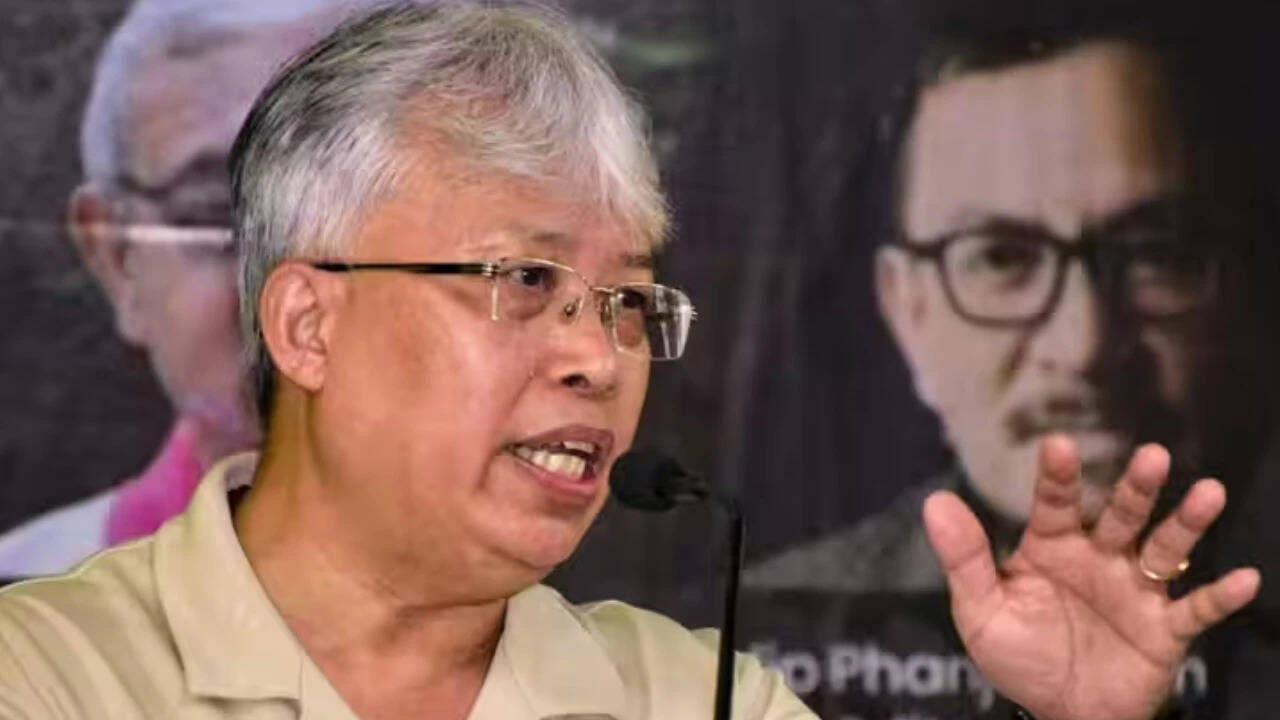
The concrete rupture in the academic and political sphere is the Delhi High Court's decision to stay the termination of JNU professor and Congress MP Bimol Akoijam. The court's order halts the institutional action taken against him, effectively reinstating his position pending further legal proceedings. This move has immediate shockwaves within the university community, where the case has been a source of significant controversy and division. The decision underscores the judiciary's role in balancing institutional autonomy with individual rights, particularly in cases involving public figures.
The underlying tension is the conflict between the university's duty to maintain a safe and respectful environment and the legal principle of presumption of innocence. Institutional friction arises from the political nature of Akoijam's position, which complicates the administrative process. The court's intervention suggests that the initial termination may have lacked sufficient procedural rigor or that the evidence presented was not conclusive enough to warrant such a drastic measure. This case highlights the challenges faced by institutions in handling sensitive allegations involving prominent individuals.
The downstream casualties include the credibility of the university's internal complaint mechanisms and the morale of staff and students who may perceive the decision as a lack of accountability. The tangible outcome is a prolonged legal battle that will likely consume significant institutional resources and attention. For the broader academic community, this case may serve as a precedent for how similar high-profile cases are handled, potentially influencing future policies on sexual harassment and due process in educational institutions.
Comments 0