Delhi High Court Upholds Bail for J&K Conspiracy Accused, NIA Appeal Dismissed
The Delhi High Court turned down the National Investigation Agency’s petition to revoke bail for a suspect in a Jammu and Kashmir terror conspiracy, allowing the individual to remain free pending trial; the ruling underscores judicial independence in high‑profile security cases. The decision may influence future bail jurisprudence and affect the NIA’s prosecutorial strategy.
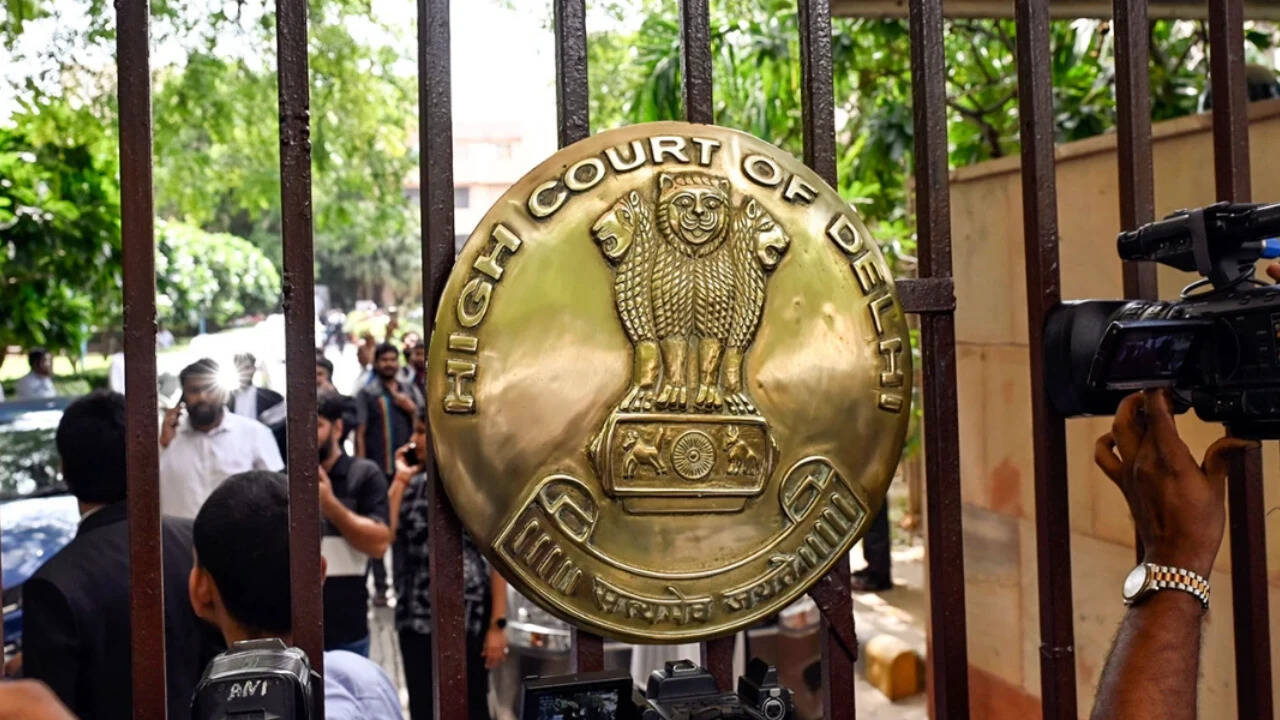
In a sharply watched hearing, the Delhi High Court rejected the NIA’s appeal to cancel bail granted to an accused linked to a Jammu and Kashmir terror conspiracy. The court’s judgment emphasized that the prosecution had not demonstrated a compelling risk of flight or tampering with evidence that would justify revoking the bail order. The accused, whose identity remains sealed, will continue to reside in Delhi under standard bail conditions while the investigation proceeds, a stance that reflects the judiciary’s cautious approach to balancing security concerns with individual liberties.
The NIA’s petition highlighted alleged gaps in the evidence presented during the initial bail hearing, arguing that new intelligence warranted a reassessment. However, the bench noted procedural deficiencies in the agency’s filing and warned against setting a precedent where bail could be withdrawn without clear, substantiated grounds. This tension between investigative agencies and the courts is emblematic of broader institutional friction, as law‑enforcement bodies seek greater leeway in counter‑terrorism cases while the judiciary safeguards procedural safeguards.
Legal experts predict that the ruling will reverberate through future terrorism prosecutions, potentially leading the NIA to adopt more rigorous evidentiary standards before seeking bail revocation. The decision may also embolden defense counsel to challenge pre‑trial detentions, resulting in a measurable rise in bail grants for high‑profile security cases. In the longer term, the judgment could shape legislative discussions on reforming bail provisions in terrorism-related statutes, influencing how the balance between security imperatives and civil liberties is negotiated in India’s legal framework.
Comments 0