Delhi Locks Down as CJP Mobilises for Jantar Mantar Showdown
The capital has entered a state of heightened security with over 20,000 personnel deployed and mass transit suspended in anticipation of a massive rally. This unprecedented curtailment of civic movement signals a severe rupture between the state apparatus and a faction demanding the resignation of the Chief Election Commissioner.
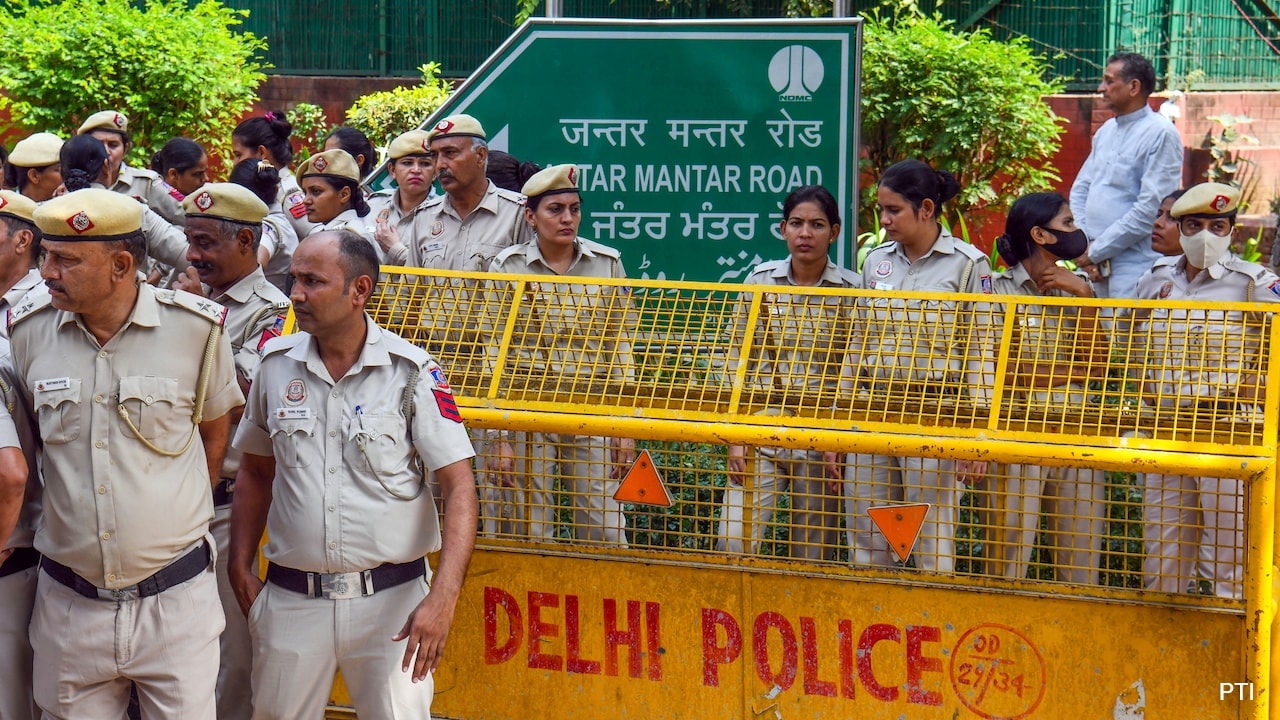
The streets of New Delhi have been transformed into a fortified perimeter as the administration prepares for what it describes as a critical public order event. With trains cancelled and metro lines shut down, the city’s circulatory system has been deliberately halted to prevent the convergence of thousands of protesters at Jantar Mantar. The deployment of over 20,000 police personnel, supported by more than 300 audio-enabled CCTV cameras at sensitive nodes, indicates that the state views this gathering not merely as a political demonstration but as a potential threat to institutional stability. The scale of the response suggests that the authorities are bracing for a confrontation that could test the limits of democratic dissent in the capital.
The underlying tension stems from the Cockroach Janta Party’s demand for the resignation of Chief Election Commissioner Gyanesh Kumar, citing alleged irregularities in the management of voter lists. This dispute has transcended the realm of electoral administration to become a broader contest over the integrity of the democratic process. The state’s decision to restrict transport and detain individuals overnight reflects a strategy of containment rather than dialogue, aiming to neutralise the momentum of the movement before it can coalesce into a sustained challenge to the election machinery. The friction between the executive’s desire for order and the opposition’s push for accountability has created a volatile environment where legal boundaries are being stretched on both sides.
The immediate casualties of this standoff are the millions of commuters who have been forced to navigate a city without its usual public transport infrastructure, facing significant economic and logistical disruption. Beyond the inconvenience, the event marks a tangible shift in how the state manages large-scale political dissent, potentially setting a precedent for future protests. If the rally proceeds as planned, the outcome will likely be determined by the effectiveness of the containment strategy and the willingness of the authorities to engage with the core demands regarding electoral integrity. The downstream consequence is a deepening mistrust between the public and the institutions tasked with safeguarding their democratic rights.
Comments 0