Delhi Metro Operates Amid Protests, Prompting Commuter Avoidance
The Delhi Metro remained fully functional on October 10, yet widespread protests forced many passengers to seek alternative routes. The Supreme Court has been petitioned to intervene and ensure the system’s accessibility.
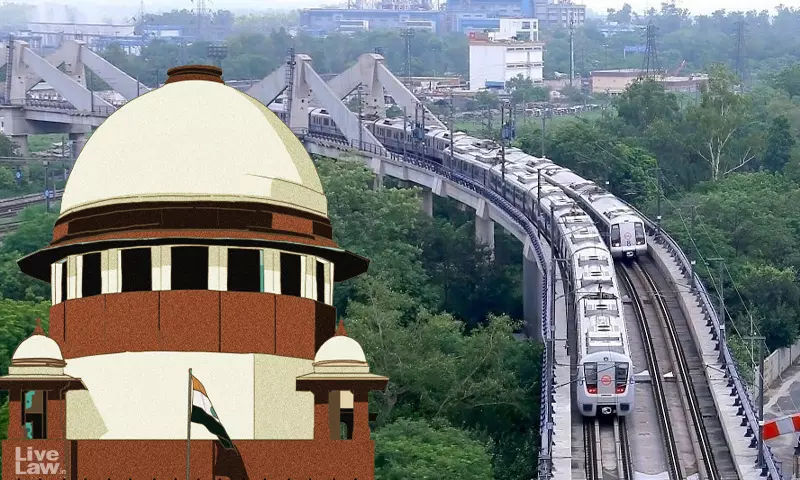
On the morning of October 10, trains on all Delhi Metro lines ran on schedule, with staff reporting normal passenger loads at key interchange stations. However, a coordinated protest by civic groups opposing a recent policy decision blocked entry points at several stations, leading to queues spilling onto adjacent streets. Commuters, fearing confrontation, opted for buses, auto‑rickshaws, or private vehicles, causing a noticeable dip in ridership figures for the day.
The protest stems from a dispute over the city’s recent civic ordinance, which critics claim marginalises certain neighbourhoods. Law‑enforcement agencies deployed personnel to maintain order, but the presence of demonstrators created an atmosphere of uncertainty. The Delhi Metro Rail Corporation (DMRC) issued statements affirming its commitment to public service, while urging the government to address the underlying grievance that sparked the demonstration.
In response, a coalition of passenger rights organisations filed a petition before the Supreme Court, seeking a directive that guarantees unhindered access to public transport during lawful protests. Legal experts suggest that a ruling could set a precedent for balancing civil dissent with essential services. Meanwhile, the DMRC is reviewing contingency plans to mitigate future disruptions, including the possibility of temporary station closures or alternative routing.
Comments 0