Delhi Metro’s Driverless Trains Carry 1.6 Million Passengers in a Day
The autonomous fleet on Delhi’s underground network transported a record 1.6 million commuters, demonstrating the scalability of driverless technology. The achievement has prompted calls for similar upgrades in other Indian metros.
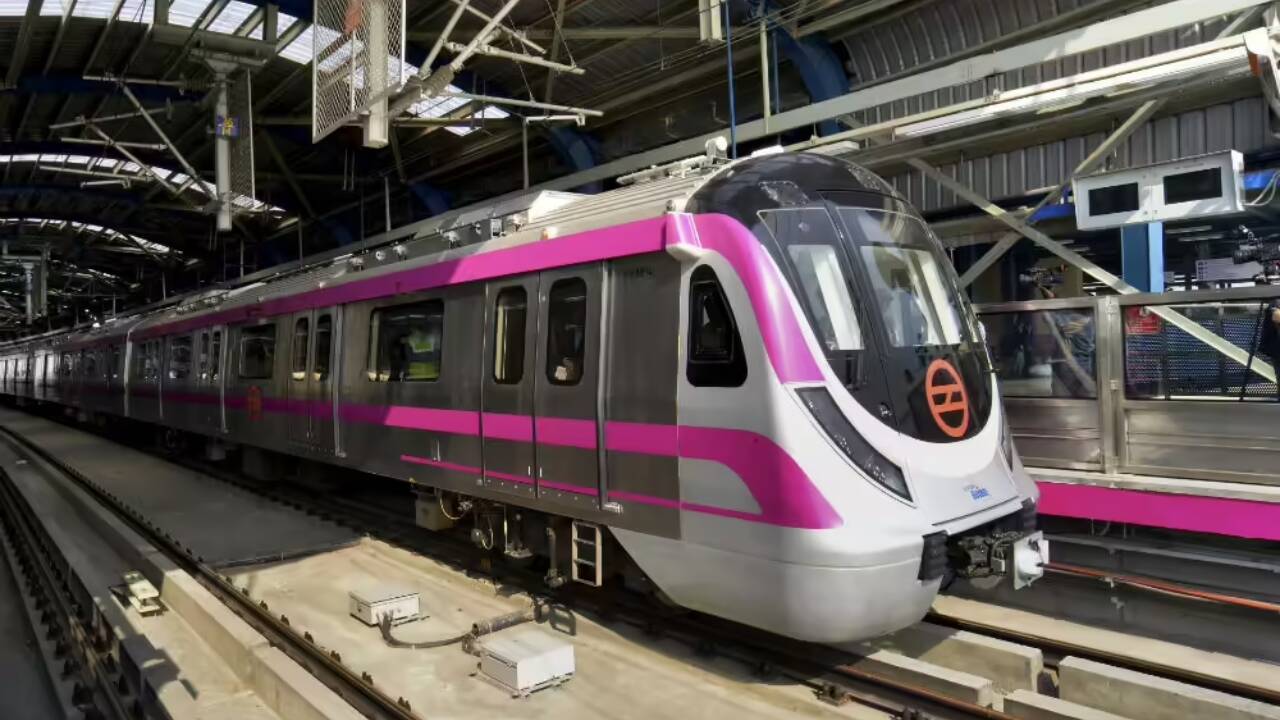
The concrete rupture was recorded when the Delhi Metro’s driverless corridors logged a single‑day ridership that eclipsed the population of Arunachal Pradesh, underscoring the system’s capacity to move masses efficiently without human operators. The milestone was celebrated by the Metro Rail Corporation, which highlighted the reduction in headway times and the improvement in punctuality that resulted from the automation. Passengers experienced smoother journeys, and the data showed a measurable decline in operational delays during peak hours.
Underlying tension arises from the debate among transport unions and city planners about the long‑term employment implications for train drivers and the safety protocols governing autonomous systems. While the Metro authority argues that the technology frees personnel for higher‑skill roles in maintenance and control rooms, labor groups fear job losses and demand retraining programs. Additionally, the city’s traffic management department is evaluating whether the success of driverless trains can be replicated on surface transit, a prospect that would require substantial investment in signaling infrastructure.
Downstream casualties include a ripple effect on commuter behavior, as the reliability of driverless services encourages a shift away from private vehicles, potentially easing Delhi’s chronic congestion. However, the rapid adoption also places pressure on neighboring states to modernize their aging rail networks, lest they fall behind in service quality. In the broader context, the achievement may influence national policy on urban mobility, prompting the Ministry of Housing and Urban Affairs to allocate funds for similar projects in metros such as Mumbai and Kolkata.
Comments 0