Delhi Police Release Video of Informing Dipke of Grandmother’s Death in Detention
Delhi Police have released a video showing officers informing Abhijeet Dipke, founder of the Cockroach Janta Party, of his grandmother’s death while he was in custody. The release follows intense scrutiny over the handling of detained protesters and the transparency of police communications during critical family events.
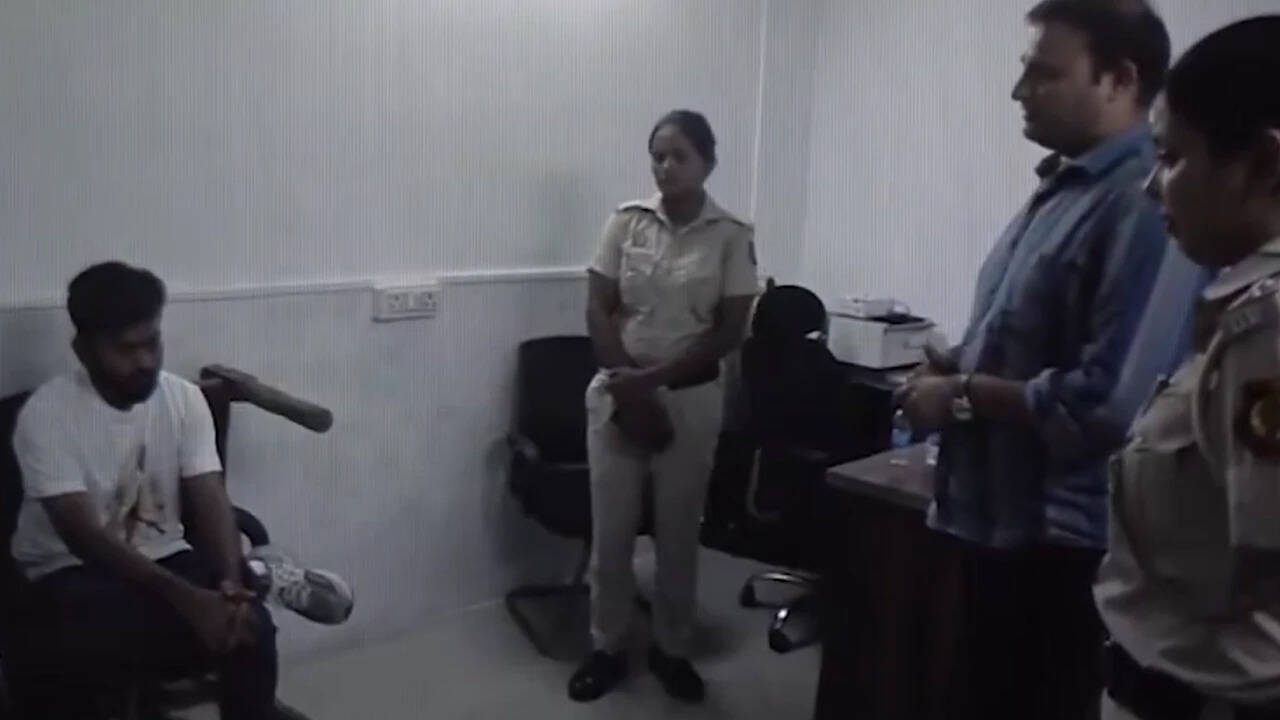
The concrete rupture is the public release of a video clip by Delhi Police, which documents the moment officers informed Abhijeet Dipke of his grandmother’s death. Dipke, a prominent figure in the recent wave of protests, was in detention at the time of the notification. The video shows officers offering assistance for travel arrangements to perform last rites, an offer Dipke reportedly declined. This act of transparency is a direct response to mounting allegations of mishandling and lack of communication from the police force, aiming to preempt further criticism by providing visual evidence of their actions.
The underlying tension stems from the broader institutional friction between law enforcement and the growing movement of detained protesters. The case has become a focal point for debates on the rights of detainees, particularly regarding family notifications and the humane treatment of individuals in custody. The police decision to release the video reflects a strategic move to manage public perception and assert procedural compliance. However, this also highlights the deepening divide between the state’s security apparatus and the civil society groups advocating for the release of political detainees, creating a polarized narrative around the legitimacy of the detention process.
The downstream casualties include the erosion of trust in police transparency, as the release of such sensitive footage can be perceived as either a gesture of accountability or a calculated political maneuver. The tangible outcome is a heightened legal and social scrutiny of all ongoing detentions, with potential implications for the handling of future protest-related arrests. This incident may set a precedent for how authorities communicate with the public during high-profile detentions, influencing both judicial proceedings and public opinion on the balance between security and civil liberties.
Comments 0