Delhi Registers First ‘Very Poor’ Air Quality Index of 324, Imposes Curbs
Delhi’s air quality deteriorated to a record‑low AQI of 324, prompting the government to enforce GRAP‑2 curbs and border checks that congested traffic. The health crisis has spurred immediate policy action, but the long‑term impact on public health remains uncertain.
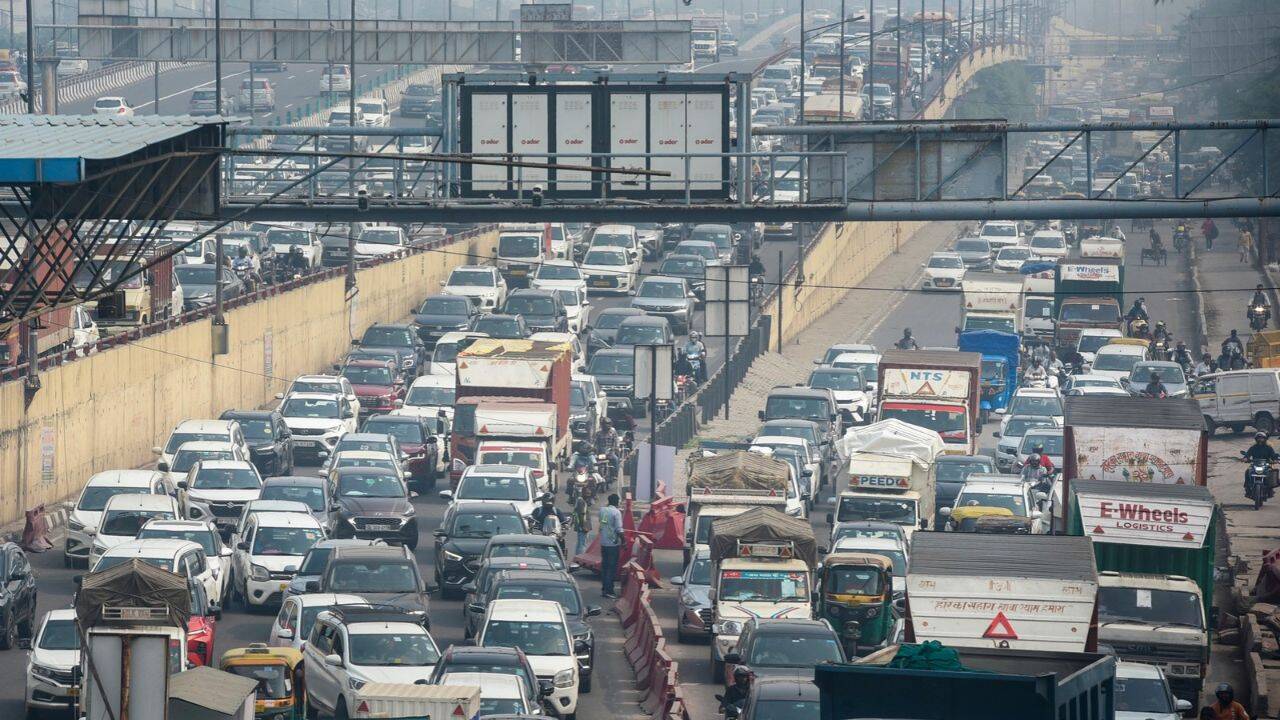
The capital city of Delhi has recorded its first ever ‘very poor’ air quality index of 324, a figure that has alarmed health officials and residents alike. In response, the government imposed GRAP‑2 curbs, restricting vehicular movement and enforcing stringent border checks that have led to significant traffic congestion. The curbs were designed to reduce emissions from vehicles and industrial sources, but the sudden implementation has disrupted daily commutes and commercial activities.
The immediate consequence of the curbs is a noticeable decline in traffic flow, with commuters experiencing delays and increased fuel consumption. Health authorities have warned of heightened respiratory ailments, urging citizens to stay indoors and use protective masks. The government’s swift action has drawn both praise for addressing the crisis and criticism for the economic disruption caused by the curbs.
Over the next twelve months, the city’s air quality trajectory will hinge on the effectiveness of these curbs and the adoption of cleaner technologies. If the measures prove successful, Delhi could set a precedent for other megacities grappling with pollution, potentially leading to stricter environmental regulations and a shift toward sustainable transport solutions.
Comments 0