Delhi Rolls Out 1,300 Pink Electric Autos to Empower Women and Transgender Drivers
The capital city has commissioned a fleet of pink electric taxis staffed by women and transgender operators, aiming to reshape last‑mile travel safety. The move is expected to alter commuter patterns and create new income streams for historically marginalized groups.
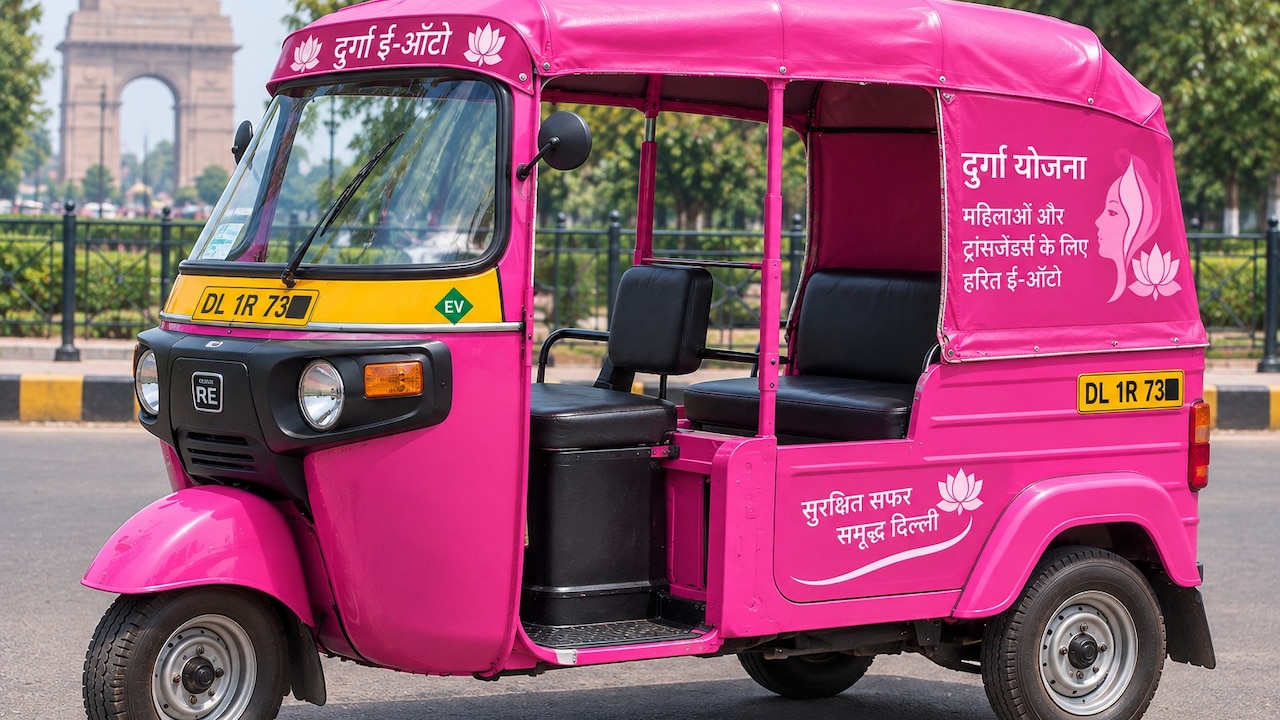
The Delhi government announced the induction of 1,300 electric autos painted in a distinctive pink hue, each to be driven by women or transgender individuals. This initiative follows months of advocacy by gender‑rights organisations that highlighted the vulnerability of female commuters during early‑morning and late‑evening trips. By allocating dedicated parking bays near metro stations and integrating the fleet into the existing app‑based dispatch system, authorities hope to make the service both visible and accessible, thereby signalling a concrete shift in urban mobility policy.
Beyond the aesthetic appeal, the program carries a socioeconomic dimension. Training modules have been rolled out in partnership with vocational institutes, equipping drivers with technical knowledge of electric vehicle maintenance and customer service. The government has also earmarked subsidies for battery replacement and set fare caps to ensure affordability. Early reports suggest that the initiative has already attracted a pool of applicants from low‑income neighborhoods, promising a modest but measurable rise in household earnings for participants and a reduction in gender‑based harassment incidents on public roads.
Analysts caution that the long‑term impact will hinge on the sustainability of the subsidy framework and the integration of the fleet into Delhi's broader transport ecosystem. If the model proves financially viable, it could inspire similar gender‑focused mobility schemes in other Indian metros, potentially reshaping the employment for women and transgender citizens across the country. Conversely, any lapse in funding or operational support could relegate the project to a symbolic gesture rather than a lasting reform.
Comments 0