Delhi Transit Paralysis Drives Record Underground Surge
The ongoing transport strike crippled surface mobility across the capital, forcing an unprecedented 8.24 million commuters into the underground network. This sudden influx tested municipal infrastructure to its absolute breaking point while exposing systemic vulnerabilities in urban transit redundancy.
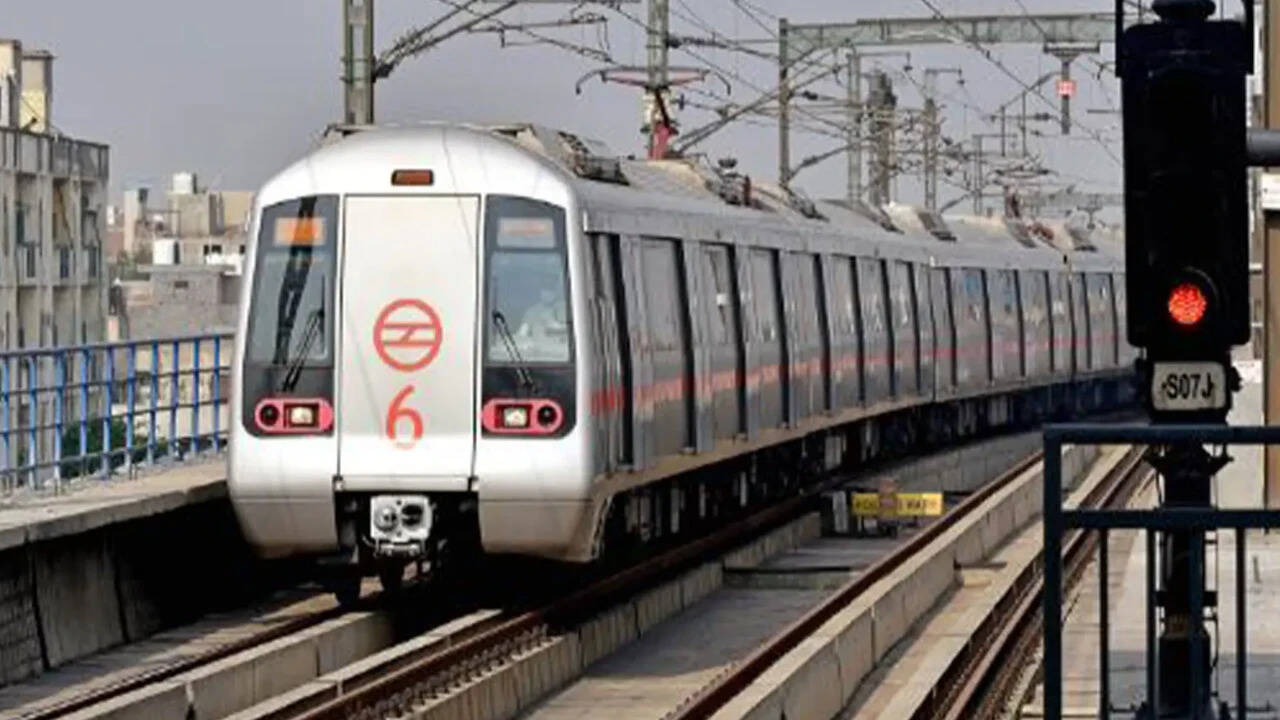
As surface operations ground to a complete halt amid the transport union strike, commuters found themselves stranded across major arterial intersections. The abrupt withdrawal of municipal buses left millions scrambling for alternative transit options, triggering immediate bottlenecks across central and peripheral corridors. Public frustration mounted swiftly as commuters faced prolonged wait times at surface stops, ultimately pushing massive crowds toward the subterranean transit network. Faced with this unexpected crisis, transit authorities struggled to maintain crowd control as station platforms swelled far beyond designed capacity limits. Security personnel deployed emergency protocols to manage serpentine queues, while train frequency was pushed to maximum operational thresholds. The friction between striking transport workers and municipal administrators highlighted deeper labor grievances that had festered without resolution for months, leaving ordinary citizens caught in the administrative crossfire. The resulting surge pushed passenger boardings to an all-time high of 8.24 million within a single operational cycle. While the underground network successfully absorbed the mass migration of stranded commuters, the event exposed severe structural fragilities in urban mobility planning. Municipal leaders now face intense public pressure to reform surface transit labor negotiations to prevent future paralyzing strikes.
Comments 0