Delhi‑NCR Study Shows 83% Drop in Personal Vehicle Use After Trial
A four‑week mobility experiment in the National Capital Region recorded an 83% reduction in private car reliance among participants. The findings suggest a viable pathway for decongesting the city’s chronic traffic woes.
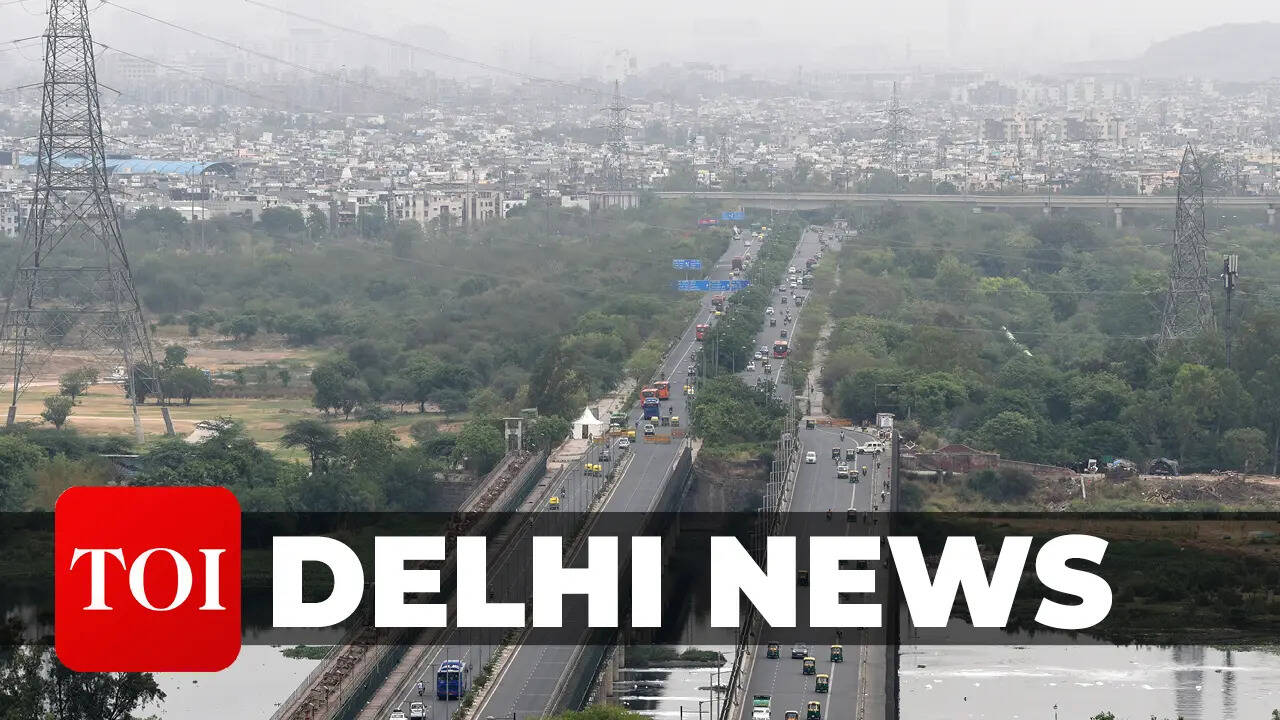
The concrete rupture was recorded when researchers published data indicating that participants who swapped private cars for public transit, cycling, and walking reduced their personal vehicle mileage by more than four‑fifths. The trial, conducted across several Delhi neighbourhoods, involved coordinated changes to bus frequencies, dedicated bike lanes, and real‑time travel‑information apps. The immediate shockwave was a measurable decline in peak‑hour traffic density, accompanied by a modest improvement in air‑quality indices during the study period.
Underlying tension emerged as municipal authorities weighed the cost of scaling the pilot against entrenched interests of automobile dealers and oil distributors. The study sparked debate within the state transport department about the feasibility of permanent policy shifts, such as congestion pricing or expanded pedestrian zones. Meanwhile, citizen groups lauded the experiment as evidence that behavioural change is achievable, while some commuters expressed concerns about the reliability of alternative modes during adverse weather.
Downstream casualties and benefits include a projected easing of commuter stress and a potential reduction in road‑related accidents as fewer vehicles occupy the streets. Conversely, the automotive service sector may experience a short‑term dip in demand, prompting firms to diversify into electric‑vehicle maintenance or mobility‑as‑a‑service offerings. The broader urban planning discourse is likely to incorporate the trial’s insights into future infrastructure investments.
Comments 0