Delhi’s Air Quality Crisis Deepens as Daily Garbage Fires Ignite
The National Capital Region is grappling with a surge in open-air waste combustion, with fourteen major fires reported daily, exacerbating an already critical respiratory health emergency. This environmental failure is directly linked to a spike in lung cancer diagnoses across major hospitals, highlighting the lethal cost of municipal mismanagement.
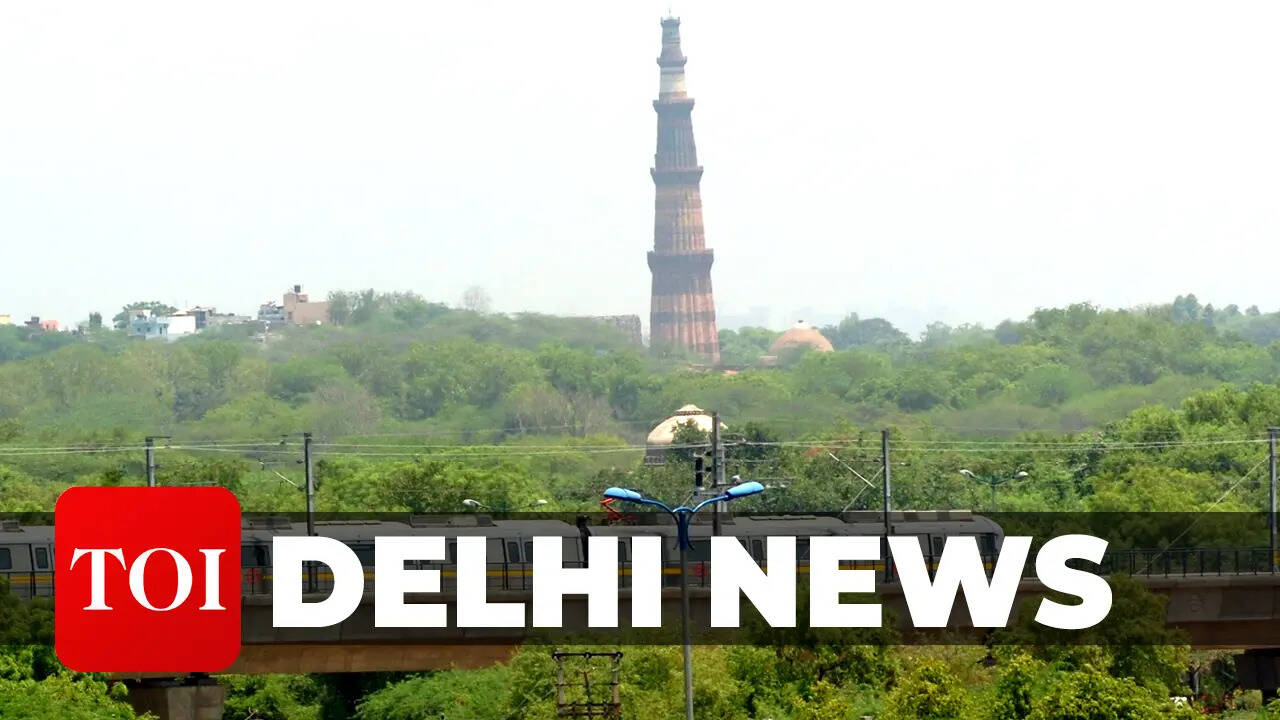
The concrete rupture in Delhi’s public health infrastructure is the daily ignition of fourteen significant garbage fires, a phenomenon that has transformed the city’s air into a toxic hazard. Residents are no longer merely experiencing discomfort but are gasping for breathable air in a metropolis that has become a laboratory for environmental degradation. The fires, often set by informal waste pickers or resulting from municipal neglect, release a cocktail of carcinogens that permeate every district of the capital.
The underlying tension is rooted in the systemic failure of waste management policies that have prioritized short-term logistical solutions over long-term environmental stewardship. Institutional friction exists between the municipal authorities, who lack the resources to process the sheer volume of waste generated, and the residents who bear the brunt of the health consequences. The recent data showing over 6,500 lung cancer cases in four major hospitals over six years serves as a grim indictment of this policy vacuum.
The downstream casualties are measured in human lives and economic productivity, as a workforce weakened by chronic respiratory illness struggles to maintain economic output. The tangible outcome is a city that is becoming increasingly uninhabitable for the vulnerable, with hospitals overwhelmed by preventable cases. This crisis threatens to undermine Delhi’s status as a global financial hub, as the quality of life deteriorates to a point where it can no longer support the high-level talent required for a modern economy.
Comments 0