Delhi's Air Quality Crisis Deepens as GRAP Stage III Curbs Take Hold
The National Capital Region has entered a state of environmental emergency, with air quality indices hovering in the severe range despite strict regulatory interventions. Schools have shifted to hybrid models, and industrial activity faces heavy restrictions as the smog thickens over the capital.
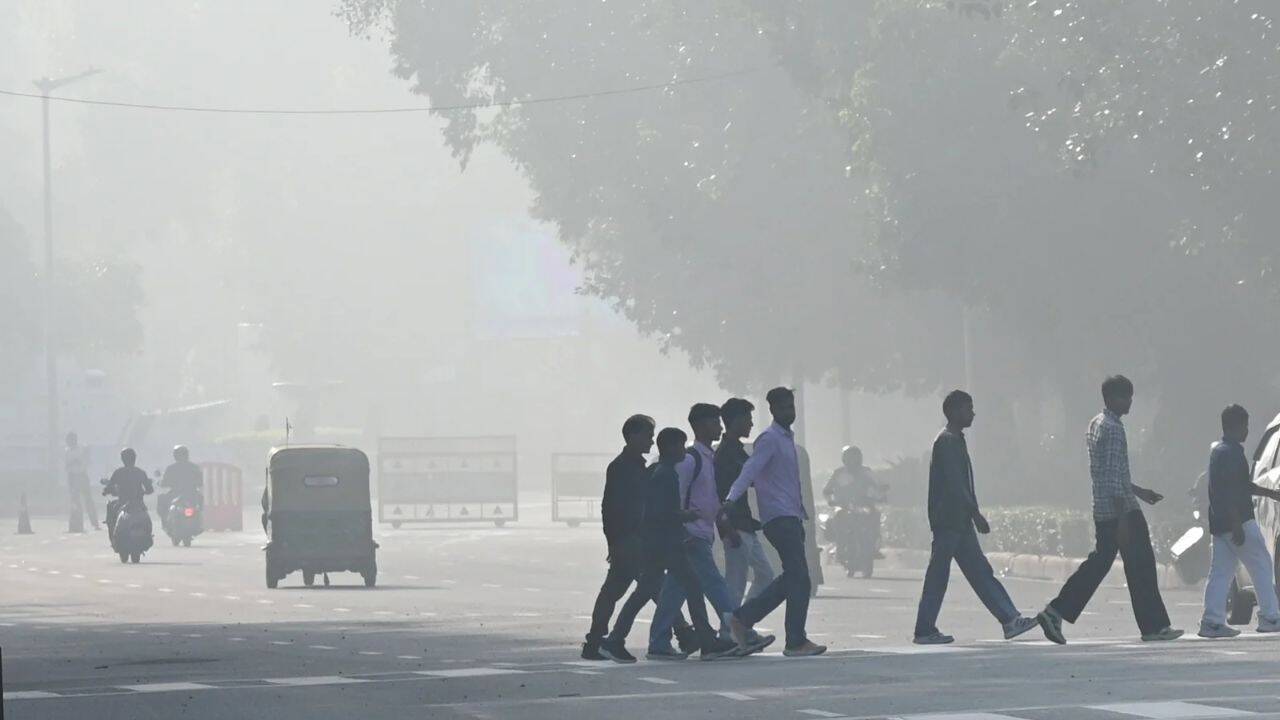
The concrete rupture in Delhi's daily rhythm is marked by the activation of the Graded Response Action Plan at Stage III. With the Air Quality Index recorded at 364, the city has been enveloped in a dense, toxic haze that renders outdoor activity hazardous. The immediate shockwave is felt in the educational sector, where schools have been mandated to adopt hybrid learning models to protect students from prolonged exposure to particulate matter. This is not merely a seasonal inconvenience but a systemic failure of air quality management that forces a sudden halt to normal civic life.
The underlying tension stems from the persistent inability of regulatory bodies to curb the sources of pollution, including vehicular emissions, industrial output, and crop residue burning in neighboring states. The institutional friction is evident in the gap between the severity of the health crisis and the limited efficacy of the curbs. While the government imposes bans on construction and non-essential industrial activity, the fundamental drivers of the pollution remain unaddressed. This recurring cycle of crisis and temporary mitigation highlights a structural deficit in long-term environmental policy and enforcement mechanisms across the NCR region.
The downstream casualties are primarily the vulnerable populations, including children, the elderly, and those with pre-existing respiratory conditions, who face heightened health risks. The tangible outcome is a significant economic disruption, as businesses and schools adapt to the emergency protocols. The shift to hybrid classes and the restriction of industrial operations lead to immediate productivity losses and logistical challenges. This event underscores the urgent need for a more robust, cross-border approach to air quality management, as the current piecemeal measures fail to provide lasting relief to the capital's residents.
Comments 0