Delhi's Air Quality Overhaul: New PUC Rules Target End-of-Life Vehicles
Delhi has introduced stringent new rules for Pollution Under Control (PUC) certificates, mandating shorter renewal cycles for older vehicles and imposing entry restrictions on end-of-life cars. This regulatory shift aims to curb vehicular emissions but threatens to disrupt the mobility and livelihoods of millions of residents who depend on older vehicles.
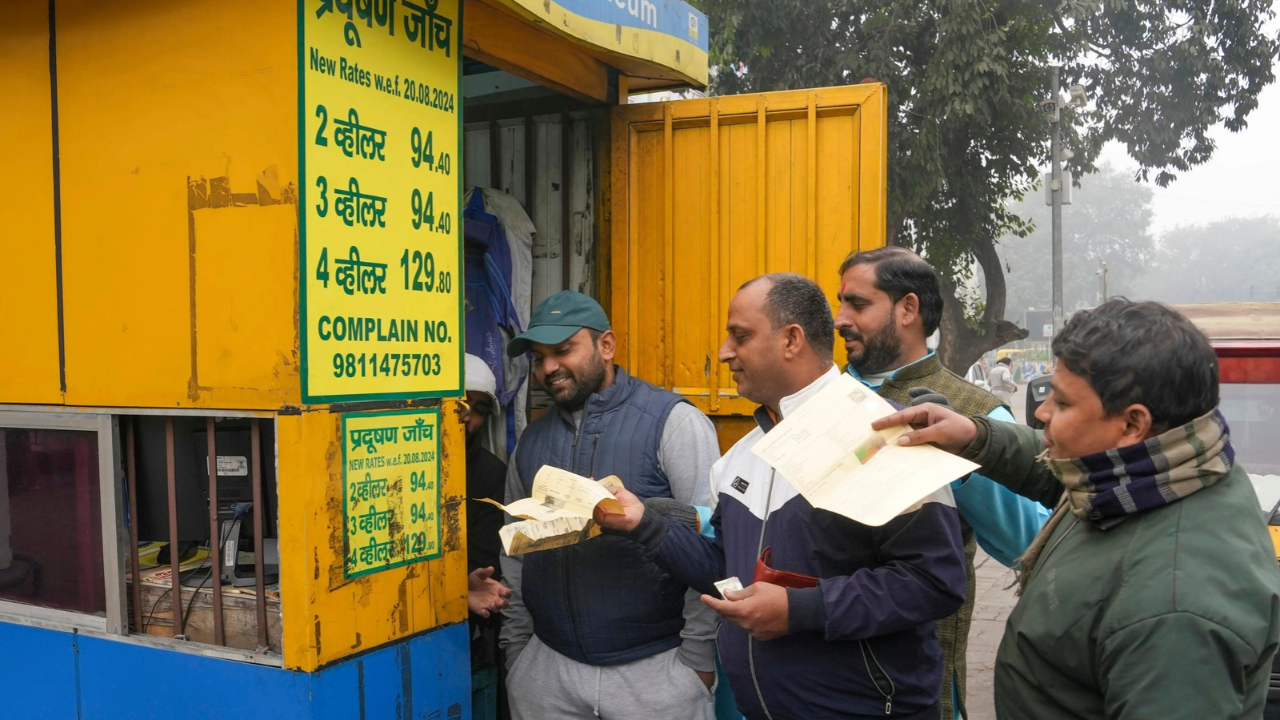
The Delhi government has enacted a new regulatory framework for vehicle emissions, altering the validity periods of Pollution Under Control certificates. Under the new regime, newer BS-VI cars will receive three-year certificates, while older vehicles face six-month renewals, and end-of-life vehicles are subject to strict entry curbs. This concrete rupture in policy signals a decisive move to address the city's chronic air quality crisis, shifting the burden of compliance from manufacturers to individual vehicle owners. The immediate shockwave is felt in the automotive service sector, where demand for emissions testing is set to surge, and among residents who must now navigate a more complex and frequent certification process.
The underlying tension lies in the conflict between environmental imperatives and the economic realities of a dense urban population. Delhi's air quality has long been a source of institutional friction, with courts, the central government, and state authorities often at odds over the efficacy of various measures. The new PUC rules represent an attempt to enforce accountability at the point of use, targeting the oldest and most polluting vehicles. However, this approach risks exacerbating social inequality, as lower-income households, who often rely on older, cheaper vehicles, face higher compliance costs and reduced mobility, while wealthier residents can more easily upgrade to newer, compliant models.
The tangible outcome of these rules will be a significant reduction in the number of older vehicles on Delhi's roads, potentially improving air quality in the long term. However, the short-term impact will be a logistical burden on citizens and a strain on the testing infrastructure. The crackdown on end-of-life vehicles may also lead to a black market for PUC certificates or a surge in vehicle scrapping, which, if not managed properly, could create new environmental and economic challenges. The policy's success will depend on the government's ability to enforce the rules fairly and provide adequate support to those most affected by the transition.
Comments 0