Delhi’s Diwali Eve Air Quality Hits Decade Low, Triggering Health Emergency
Air quality in the national capital has deteriorated to its worst level in ten years, with pollution indices spiking dangerously ahead of the festival of lights. The toxic haze has forced authorities to consider emergency measures, as the health risks for millions of residents become acute and immediate.
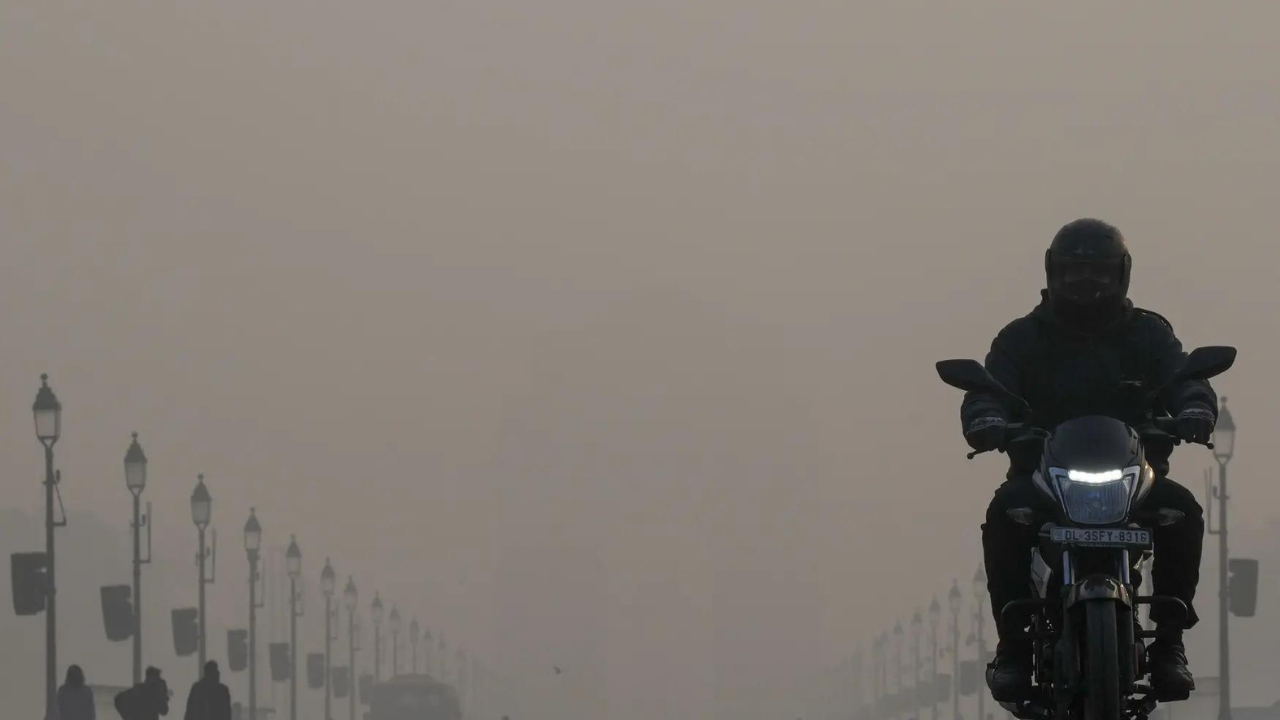
The concrete rupture in Delhi’s environmental stability is marked by a sudden and severe degradation of air quality, with pollution levels reaching a ten-year high on the eve of Diwali. The city is blanketed in a thick, toxic haze that has rendered outdoor activities hazardous and has overwhelmed the respiratory systems of its residents. This is not merely a seasonal inconvenience; it is a public health crisis that has forced hospitals to brace for a surge in respiratory cases and has compelled the government to consider drastic interventions to mitigate the immediate danger.
The underlying tension is rooted in the failure of long-standing regulatory frameworks to curb the sources of pollution, particularly the unregulated use of fireworks and the accumulation of vehicular and industrial emissions. Despite repeated warnings and temporary bans, the cultural and economic drivers of pollution continue to outpace the capacity of the state to manage them. The institutional friction is evident in the gap between the promises of environmental protection and the reality of enforcement, where the festive spirit often takes precedence over public health, leaving the most vulnerable populations to bear the brunt of the ecological neglect.
The downstream casualties of this air quality crisis are both immediate and long-term. In the short term, the most tangible outcome is the increased burden on the healthcare system, with hospitals facing a surge in patients suffering from acute respiratory distress. In the long term, the repeated exposure to high levels of particulate matter contributes to chronic health conditions, reducing life expectancy and quality of life for the city’s inhabitants. This crisis also serves as a stark reminder of the limits of urban planning and environmental policy in a rapidly growing metropolis, where the pace of development continues to outstrip the capacity for sustainable management.
Comments 0