Delhi's Heritage Crisis: Supreme Court Pressure Forces MCD to Inspect 1,318 Structures
Following judicial concerns over structural integrity, the Municipal Corporation of Delhi has established a new inspection protocol for over 1,300 heritage buildings. This move aims to prevent further collapses and address the systemic neglect of the city's architectural legacy.
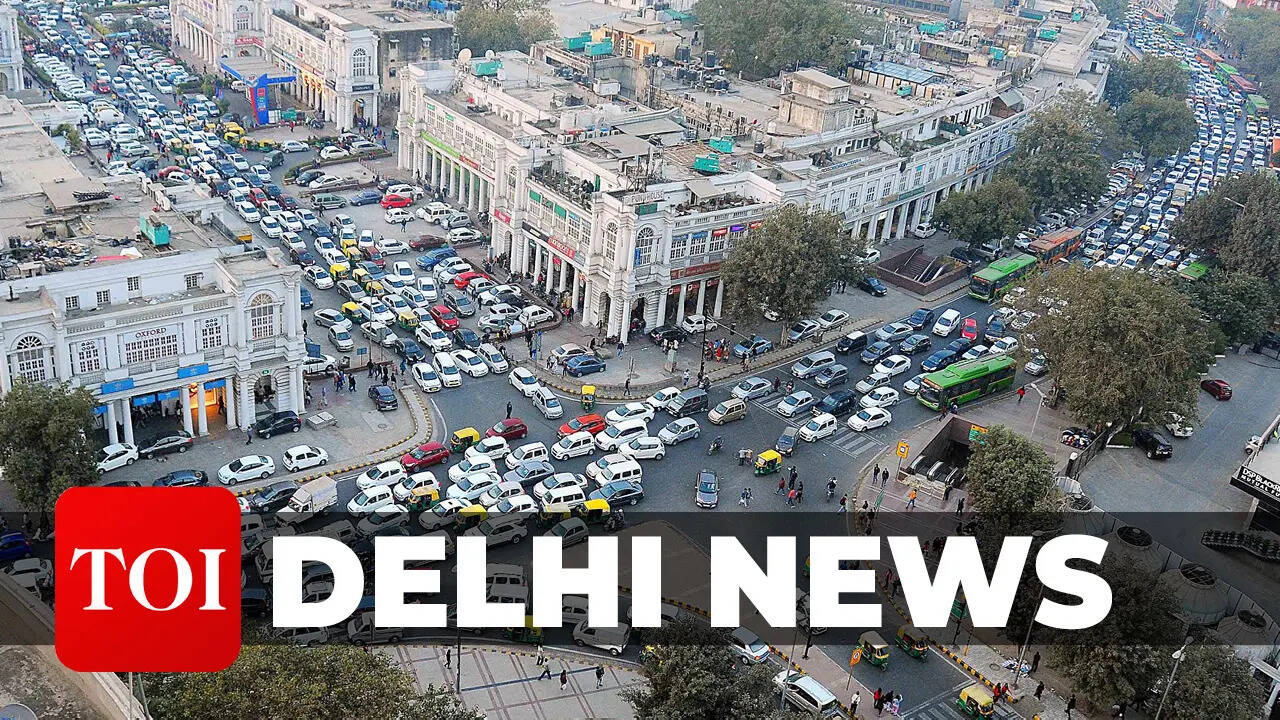
The recent collapse of a porch at the Town Hall in Delhi has triggered a significant institutional response, with the Municipal Corporation of Delhi (MCD) now tasked with inspecting 1,318 heritage structures. This directive follows concerns raised by the Supreme Court regarding the safety and maintenance of these historic buildings. The immediate outcome is a surge in bureaucratic activity as the MCD deploys engineering teams to assess the structural integrity of these sites, a process that is expected to take several months to complete. The situation highlights the urgent need for a comprehensive maintenance strategy for Delhi's architectural heritage.
The underlying tension in this issue stems from a long standing neglect of heritage infrastructure by municipal authorities. The MCD has historically prioritized new construction and infrastructure development over the preservation of older buildings, leading to a gradual deterioration of many historic sites. The Supreme Court's intervention underscores the legal and moral obligation of the state to protect these structures, which are not only architectural assets but also cultural landmarks. The friction between the MCD's limited resources and the scale of the task ahead poses a significant challenge to the implementation of the new inspection protocol.
The tangible outcome of this initiative will be a clearer understanding of the condition of Delhi's heritage buildings, which will inform future maintenance and restoration efforts. However, the process is likely to be slow and costly, with potential delays in the completion of inspections. The downstream consequence is a heightened awareness of the risks associated with neglecting historic infrastructure, which may lead to increased public pressure on the MCD to allocate more resources to heritage conservation. This shift in focus could have broader implications for urban planning and development in Delhi, as the city grapples with the challenge of balancing modernization with preservation.
Comments 0