Delhi's Political Theater: The INDIA Bloc's Rally and the City's Gridlock
The INDIA bloc's massive rally at Ramlila Maidan has brought Delhi to a standstill, with major arteries like ITO and JLN Marg facing severe traffic disruptions. This display of political muscle underscores the opposition's determination to challenge the ruling party, while imposing a tangible economic and logistical burden on the capital's residents.
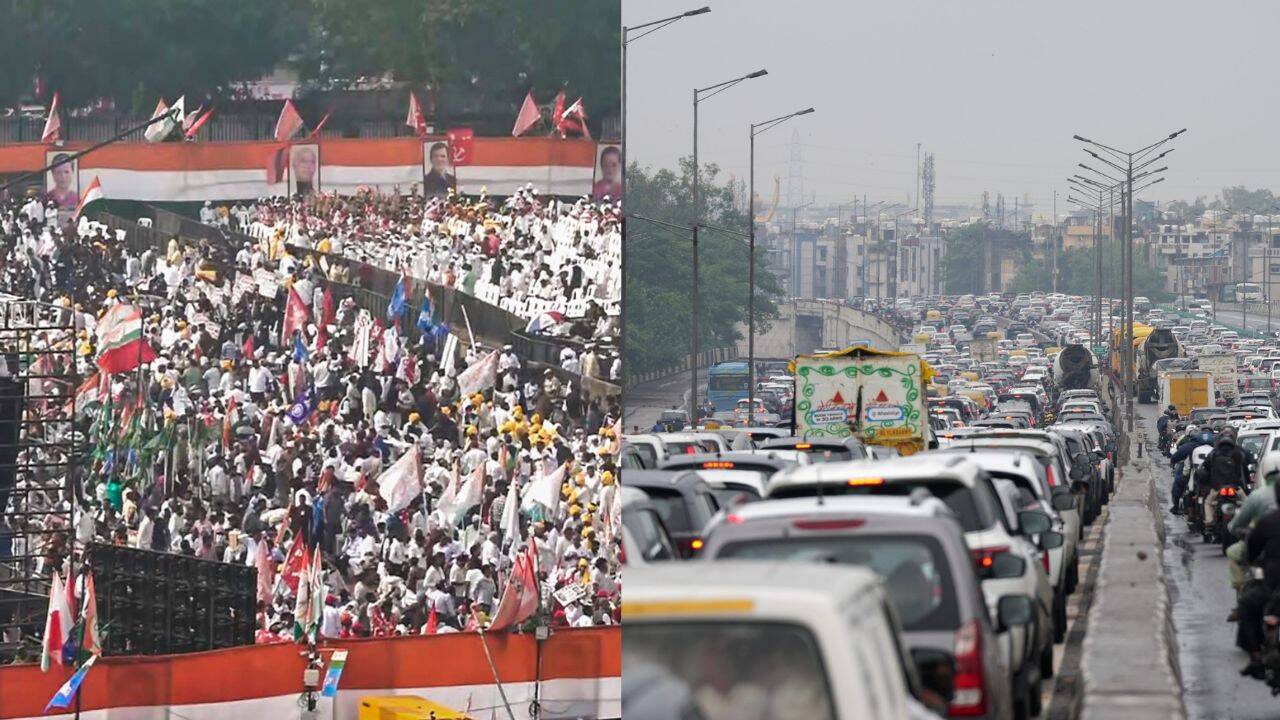
The streets of Delhi, typically a hive of chaotic energy, fell into a peculiar stillness as the INDIA bloc's rally at Ramlila Maidan drew thousands of supporters. The traffic advisory issued by the authorities highlighted the scale of the event, with major roads such as the ITO-Delhi Gate stretch, JLN Marg, and Aruna Asaf Ali Road facing significant disruptions. The rally is not just a political gathering but a strategic move by the opposition to demonstrate its strength and unity in the lead-up to future elections. The visual spectacle of a packed maidan serves as a powerful counter-narrative to the ruling party's claims of dominance, signaling that the political in India is far from settled.
The underlying tension in Delhi's politics is fueled by the deepening polarization between the ruling party and the opposition. The INDIA bloc, a coalition of diverse political parties, is leveraging this rally to consolidate its base and project an image of a united front. Institutional friction is evident in the logistical challenges of managing such a large-scale event, with the police and traffic authorities struggling to maintain order and minimize disruption. The government's response, which includes strict traffic controls and security measures, reflects its concern about the potential for unrest and the political implications of the rally. The opposition, on the other hand, views the rally as a necessary step to keep the pressure on the ruling party and to mobilize its supporters for the long battle ahead.
The immediate consequence of the rally is a significant disruption to the daily lives of Delhi's residents, with many facing delays and detours. The economic impact is also notable, with businesses along the affected routes losing out on potential customers. The tangible outcome is a heightened sense of political awareness among the populace, as the rally serves as a reminder of the ongoing struggle for power in the country. The INDIA bloc's ability to mobilize such a large crowd is a to its growing influence, and it will likely embolden the opposition in future political engagements. This event marks a significant moment in Delhi's political history, as it demonstrates the power of collective action and the enduring nature of political dissent.
Comments 0