Delhi's Power Infrastructure Fails as Child Dies in Open Panel
An 11-year-old boy was electrocuted inside an open BSES panel in Delhi, exposing critical failures in the city's power distribution infrastructure. The incident highlights the persistent safety risks posed by neglected public utilities and the human cost of institutional negligence.
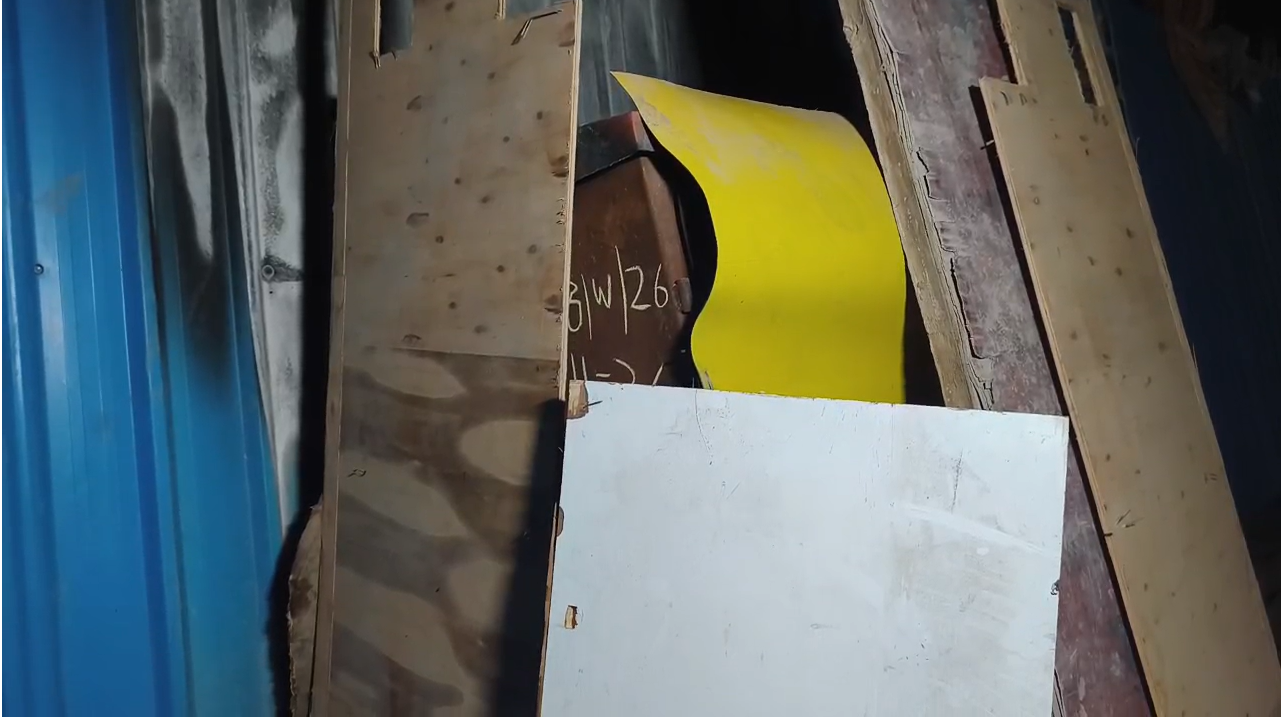
The death of an 11-year-old boy in Delhi was a tragic rupture in the city's daily life, caused by a preventable failure in its power infrastructure. The incident occurred inside an open BSES panel, a clear violation of basic safety standards that should have been in place. This was not an isolated accident but a symptom of a larger systemic issue in the city's power distribution network. The immediate shockwave is a public outcry over the safety of public utilities, with families and civil society groups demanding accountability from the power distribution company. The event has brought into sharp focus the human cost of neglecting maintenance and safety protocols in critical infrastructure.
The underlying tension is rooted in the long-standing challenges faced by Delhi's power distribution companies, including BSES. These companies have often been criticized for their lack of investment in maintenance and safety, prioritizing profit over public welfare. The institutional friction is evident in the gap between the regulatory requirements and the actual implementation on the ground. The event highlights the difficulty of enforcing safety standards in a city with a large and diverse population, where the demand for electricity often outstrips the capacity of the infrastructure. The result is a system that is prone to failures, with the most vulnerable members of society bearing the brunt of these failures.
The downstream consequences of this incident are likely to be significant. The death of a child is a powerful catalyst for change, and it is expected that there will be increased pressure on BSES and other power distribution companies to improve their safety records. The tangible outcome is a potential overhaul of the city's power distribution infrastructure, with a focus on safety and maintenance. This will likely lead to increased costs for the companies, but it is a necessary investment to prevent future tragedies. The event also serves as a reminder of the importance of public accountability in the management of critical infrastructure, and the need for a more robust regulatory framework to ensure the safety of all citizens.
Comments 0